Search
Property management companies in the region have been on the front lines of every challenge that the rental market has faced in 2020. They’ve been stretched thin trying to ensure business continuity and the overall ecosystem is as sustainable as possible. However, 2020 saw many property management companies and real estate companies rise to the challenge and cater to the wants of the occupants and owners alike.
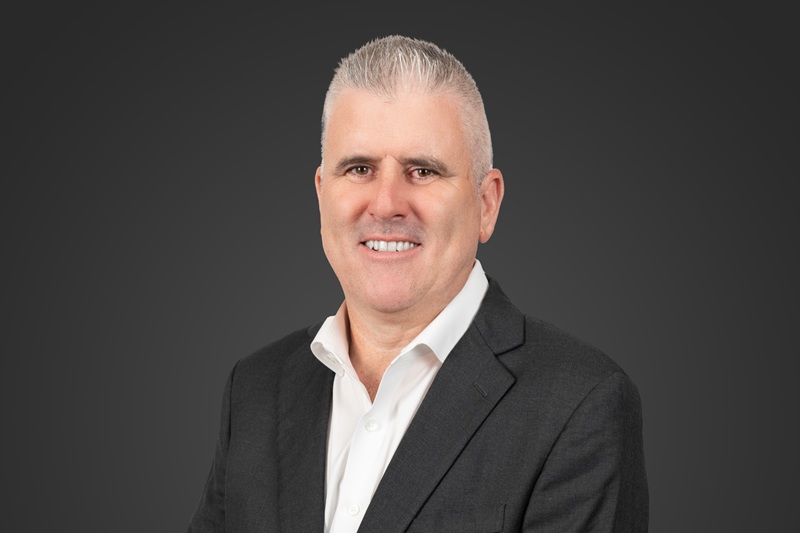
 CM today speaks to John Stevens, Managing Director, Asteco, sheds light on three key trends to watch out for.
Speaking about the overall outlook of 2021, John says that one can expect greater emphasis and demand for offices with more advanced technology (contactless), spaced workstations, and indoor/outdoor communal areas. Whilst the longer-term trend towards remote working will likely result in a drop in office space requirements, it will increase demand for larger residential dwellings and short term serviced/hotel apartments with more flexible lease and payment terms.
With the increase in supply, particularly over the next 12/18 months, the downward pressure on sales prices and rental rates is likely to continue, compounded by an anticipated drop in demand.
COVID-19 has accelerated and reinforced existing oversupply issues, with further declines expected in expatriate employment due to business downsizing, salary cuts, redundancies, and repatriation of unemployed workers.
There have been several positive reports suggesting that the economy is slowly moving into a recovery phase. However, given new lockdown restrictions in many parts of the world, it is widely perceived that the full economic impact and the pace of recovery are still uncertain, and will ultimately be influenced by a range of factors, many outside of the UAE’s borders.
Measures have been implemented to offset the full impact of COVID-19, both at Federal and Municipal levels, through a series of stimulus packages.
The government of Dubai has earmarked a total budget of AED 57.1 billion for 2021 and although reduced from 2020 (AED 66.4 billion), it takes into account the unprecedented economic circumstances and consequences of the pandemic.
Besides, the global vaccine rollout is picking up momentum and is expected to lift movement restrictions. In fact, as of mid-January, the UAE accounted for one out of the top three countries that have vaccinated a higher proportion of their populations compared to the rest of the world, according to OurWorldInData—a research partnership between the University of Oxford and the British non-profit Global Change Data Lab.
Going forward, prevailing soft market conditions are likely to continue based on prolonged economic uncertainties.
Trend # 1: Digital Transformation:
The property management sector has been reactively and gradually adopting technology in the last few years to optimize spending, improve the property experience and make sure they answer to the changing needs of Clients. In light of the Pandemic, this has not changed, but rather the need for technology integration has intensified. Innovation has accelerated, and embracing technology today is more pro-active, and digital transformation has become the lifeline of many companies, in the UAE and beyond, to protect revenue, attract and retain Clients and run a sustainable business.
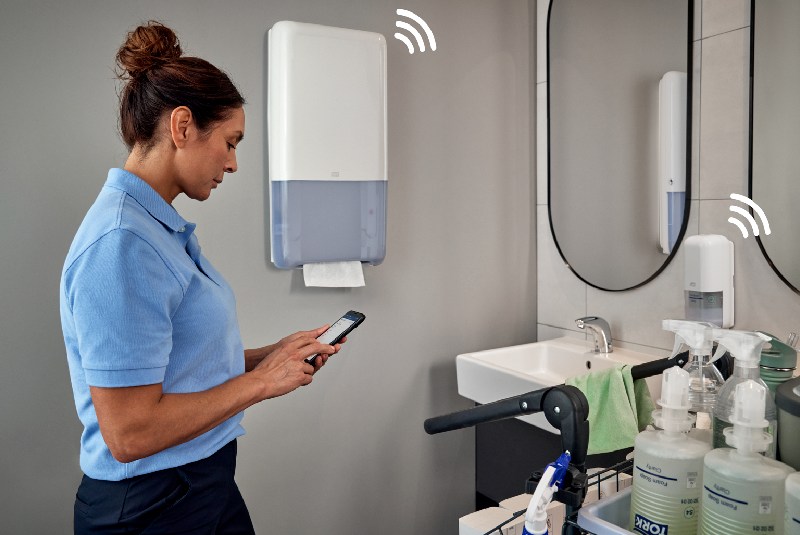
When the movement was restricted, and social distancing became mandatory, technologies such as 360 virtual property viewing, online property-related payment systems, and the use of digital property management platforms and tools enabled businesses to continue operating with minimal interruption. When companies needed to save money, cloud-based technologies and other innovations that can optimize spending became more popular. When people were advised to minimize touching surfaces to curb the spread of the virus, we started seeing touchless elevators and other automated technologies appear in residential and commercial properties. When people were advised to refrain from going to crowded places, we saw more virtual experiences introduced – Property Technology (Proptech) helped the sector survive and whether the Pandemic storm.
This is a trend we will see more of in 2021 and we are excited to see what innovations will fuel our future.
Trend # 2: Environmental Sustainability:
Environmental sustainability is a major element for effective Property Management that goes far beyond the reduction of an asset’s or community’s carbon emissions. Technologies that make buildings healthier and more energy-efficient are increasing in demand. Be it the adoption of smart water fixtures and irrigation systems, use of sensors for real-time energy monitoring, installation of energy-efficient LED lights, implementation of real-time building management systems, or the like. Companies are rolling out different initiatives that are good for the environment and are also good for business, especially when you need to reduce operating costs and deal with tighter budgets.
Looking ahead, these sustainable practices will become a major catalyst in controlling spending, enhancing the health and wellbeing of communities, and adding value to the real estate experience without compromising quality.
Trend # 3: Mixed-use Living and Flexible Payments:
When it comes to renting properties, 2021 will likely see greater demand for lower density communities. People will opt for integrated living, where there is a mix of Residential, Commercial, entertainment, medical and educational facilities in one place, at affordable prices, as the Pandemic has highlighted the risk of infection in higher density areas.
Developers and Property Owners will also likely continue offering flexible payment plans to Property Investors and Tenants, driven by high supply and reduced buying power - a trend we saw begin with the Pandemic and will likely continue through 2021 and until the economy rebounds.