Search
We are living in strange times when the entirety of the country has had to adapt to a ‘new’ way of functioning and managing our assets. It’s clear that the pandemic has left an indelible mark on our conception of space.
However, the paradox of the situation is that, despite significant limitations and restrictions, property managers are working twice as hard, responding to changes in the environment. Some of the major challenges faced by property managers during the last year were to face uncertainty and make quick decisions. Adapting to new hygiene standards, and the requirements of buildings and office spaces in the ‘new-normal’ were also some of the other challenges that property management companies had to deal with.
However, now in the New Year, we have all adjusted to the ‘new normal’; many companies have already started looking into the future. The pandemic has effectively forced many property management companies to alter their approaches. But, what exactly have the repercussions been for the property managers? And what lies in store for the future?
In this report, we look to answer both these questions and more, highlighting the impact the pandemic has had on the industry, and what is likely to happen as a result.
Impact
Most sectors were impacted by the Covid-19 Pandemic and had to adjust to the new reality and conditions – the Property Management industry was no different. Property Management and other real estate-related companies had to adapt their business practices, come up with innovative impactful solutions to optimize their services, and adopt/develop technologies to continue serving their customers whilst further enhancing their real-estate experience, despite the hardships.
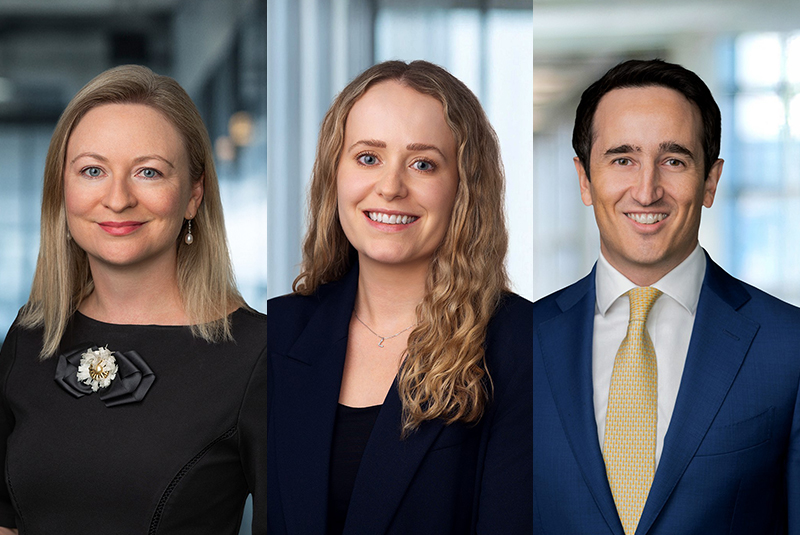
 Rachael Kennerley, Associate Director – Head of Property Management, Savills, Dubai, says that the impact has been two-fold. The first impact has been ensuring day-to-day operations at buildings continue, “This has involved working closely with FM providers, increased cleaning and sanitation of touchpoints, new procedures to allow safe usage of common areas, and the implementation of signage / one-way systems to encourage social distancing. The second impact has been interaction; understandably tenants have been nervous about unnecessary interactions and we have tried to limit this wherever possible.”
H.P Aengaar, CEO at Provis, says, “Thankfully, a lot has changed lately as the UAE authorities have made the vaccine widely available to anyone who wants it to stay safe, stay protected, and contribute to global efforts to combat the Pandemic. We now have more than one vaccine option in the UAE and the business environment is generally recovering, even industries that were the worst hit are regaining momentum - however, the ‘New Normal’ is here to stay.”
Changes
The pandemic has given property managers the chance to pause, reflect, and utilize their time to consider implementing new methods that will make life easier. Because of this, smart processes and AI-based technology are much more likely to be adopted as time goes on. And thanks to this rise of technology property managers can handle a host of admin tasks a lot easier.
The virtual connect is something that has and will need to continue says, industry experts. Be it the interface with the colleagues or the customers, this trend is not something one will see any changes with despite easing of restriction. Aengaar says that customers will embrace digital innovations that offer convenience, digital payments will increase, and most importantly, companies will continue finding new and innovative ways to remain competitive by relying on their expertise, technology, and innovation. “For example, virtual reality technology like 360 viewings is here to stay, smart on-line property management applications and web portals that enable people to manage their properties wherever they are will increase, touchless contactless innovations will be in demand and adopting technology that can optimize expenses, and save costs will be prevalent,” adds Aengaar.
Also read: 3 key trends to watch out for in the region's Property Management sector
At Savills, Kennerley, says they have implemented many simple procedures to help limit physical interactions like site inspections, etc. Some of them include video calls with tenants, preparing renewal contracts and payment schedules for delivery to the buildings for signature by tenants, introducing lockable drop boxes tenants can then leave these for collection in their building and avoid a visit to the offices, and the lease renewal is then completed by the Savills team and the payment receipt and Ejari certificate provided via email.
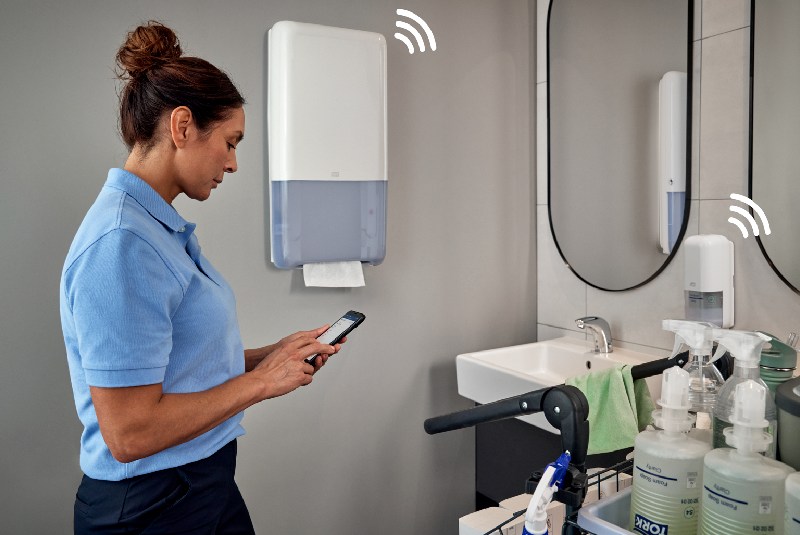
“In the coming year we hope to automate a lot more services that can help create better standards for the assets that we manage,” says Kennerley. This includes scheduling frequent sanitization, which can create a safer environment for all occupiers. Reducing touchpoints and changing the way buildings are being used, are a few other aspect Savills plans to automate in 2021.
“Residential buildings are likely to be experiencing more usage during the day as more residents work from home whereas commercial buildings may have lower occupancy or a change in patterns with workforces rotating time in the office. We are also looking to optimum usage of the buildings and facilities when they are not fully occupied, i.e. lift management, AC and water consumption as well as reduction of soft services in some cases. This is relevant both for the operational costs of the buildings and the environmental impact of buildings,” adds Kennerley.
Business Continuity
If there is one key lesson that came out of 2020 is that planning ahead of time will ensure sustainability and ensure that there is business continuity. Kennerley notes that hand washing, sanitization, and ensuring masks are worn are key to business continuity. Apart from which limiting the gathering of people on-site and moving towards automation is the most practical step to protect both occupiers and property, management teams.
Agrees, Aengaar. He goes on to add that property management and real estate companies should not look to only surviving 2021. “They should look at how they can thrive in the next 5 years and beyond. As a matter of fact, companies should develop and set a long-term vision, business plan, and governance strategy that takes into consideration investing in environmentally-friendly solutions, technology, infrastructure, and people, commitment to service excellence, and focusing on what can enhance the overall property management experience of their customers. Technology and innovation will also remain key pillars to business continuity and companies can control their spending by ensuring any form of investment will add tangible value to their business and customers,” he sums up.