Search

When choosing a hotel, today's guests are increasingly drawn to experiences that blend natural beauty with cultural authenticity. In a world overflowing with travel options, we consider what factors distinguish one hotel from another. Often, it's the ethos and values of the brand, alongside commitments to environmental stewardship, and health-focused offerings that mark the final decision of a guest’s hotel of choice. Modern travellers and hotel operators alike are prioritising wellness and sustainability, seeking assurances that their choices align with environmentally and socially responsible practices.
The Middle East's hospitality sector is embracing sustainability with unprecedented vigor, transforming the region's hotel landscape into a beacon of environmental stewardship. Spearheaded by initiatives such as Saudi Arabia's Vision 2030 and the UAE's Green Growth Strategy, hotels across the region are integrating eco-friendly practices, from energy-efficient building designs and renewable energy sources to comprehensive waste reduction programs. Notable establishments like Saudi Arabia's King Abdullah Economic City's Bay La Sun Hotel & Marina and the UAE's Burj Al Arab are leading the charge with innovative water conservation systems, locally sourced organic cuisine, and rigorous carbon footprint reduction strategies. According to the Middle East Hospitality Survey, over 70% of the region's hotels have adopted sustainable practices, with a collective aim to reduce carbon emissions by 30% by 2030.
Multi-sensory design
In the realm of hotel design, there's a growing emphasis on creating spaces that foster a multi-sensory relationship with their surroundings. Gensler is steering towards solutions that intersect sustainability, wellness, and human-centered design principles. Central to this approach is the integration of natural elements and local cultural narratives into the hotel environments we curate. Our design teams draw inspiration from indigenous crafts and local ecosystems to design spaces that are not only aesthetically pleasing but also promote guest well-being. As designers we prioritise the concept of "inside-outside" spaces that seamlessly blend indoor areas with nature, allowing guests to connect and engage with their environment. This integration not only enhances the visual appeal of the space but also creates opportunities for unique sensory experiences. Whether through expansive green roofs, biophilic interiors, or courtyard gardens, our designs aim to cultivate a sense of harmony between the built environment and the natural world, enriching the overall guest experience. A good example of this is the Middle East team’s work on the Surf Simply hotel in Playa Guiones, Costa Rica. The Gensler team approached the design concept through methodical, systematised pattern language. This included a constant of human scale, raw materials, modular spaces and open areas that provoke social interaction.
Multifaceted Sustainable Design
The concept of sustainability in hospitality extends beyond applying biophilic principles, energy efficiency and resource conservation—it encompasses the holistic well-being of guests and the communities in which hotels operate.
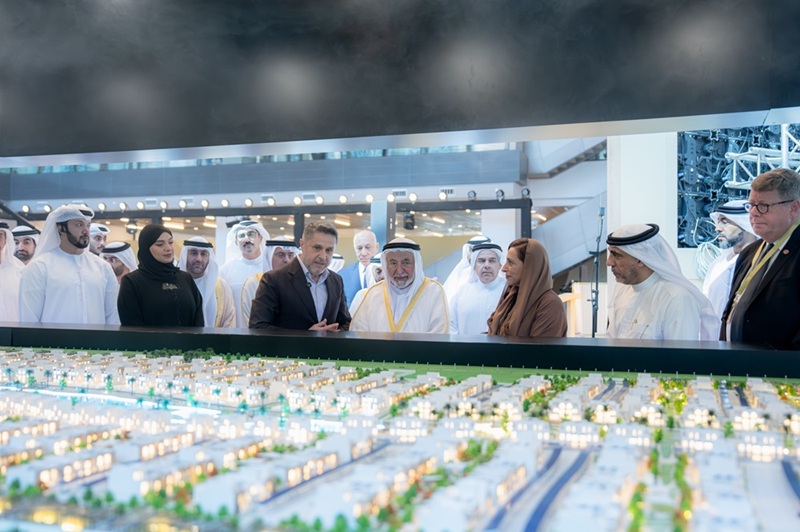
Branded residences have become an increasingly popular trend in the Middle east. Tilal Al Ghaf, Majid Al Futtaim’s flagship mixed-use community in Dubai, is one of Gensler’s recent branded residence projects, offering luxury resort-like living around Lagoon Al Ghaf. The vibrant community project, Alaya Grand Villas, will provide walkable neighborhood’s featuring high quality villas, townhouses, and apartments.
For this project we looked to create a resort style branded residence from a desert landscape with a focus on native and natural architectural design.
Smart Sustainable Design
The evolution towards sustainable hospitality practices encompasses several key strategies. Hotels are increasingly investing in energy-efficient technologies and practices. From smart thermostats that optimise room temperatures to the adoption of renewable energy sources like solar power, these efforts not only reduce operational costs but also enhance the environmental footprint of hotels.
Hotels are embracing practices such as food waste management through on-site edible gardens and partnerships with local farms.
The shift towards organic amenities further underscores the industry's commitment to sustainability. From toiletries to cleaning supplies, there's a growing preference for products made from natural ingredients, free from harsh chemicals, and packaged in recyclable materials.
Sustainable Design Challenges
By prioritising sustainability, hospitality leaders can enhance their brand image, attract environmentally conscious travelers, and achieve long-term operational efficiencies. However, integrating sustainability into hospitality operations isn't without challenges. Misconceptions about cost implications and guest experience disruptions persist, yet innovative solutions and evolving consumer preferences are gradually dispelling these concerns. Technology advancements, such as smart energy management systems and recycling innovations, are enabling hotels to deliver sustainable practices seamlessly without compromising guest satisfaction.
Looking Ahead
The path to becoming a sustainability leader in hospitality involves continuous innovation and collaboration across the industry. By embracing the three pillars of sustainability—social, environmental, and economic—hospitality leaders can pave the way for a more responsible tourism sector.
At Gensler, sustainability is not merely a trend but a strategic approach to ensure hotels not only mitigate their environmental impact but that they also strengthen their competitive advantage in a rapidly evolving market. As travelers increasingly prioritize responsible choices, sustainability in hospitality emerges not only as a commitment to ethical stewardship but also as a pathway to enduring success, resilience and wonderful guest experiences that focus on a human centric design approach.




.png "be-latest-banner")
.jpg "Weave Advances Onsite as Al Ghurair Confirms Julfar Contracting as Main Contractor")