Search
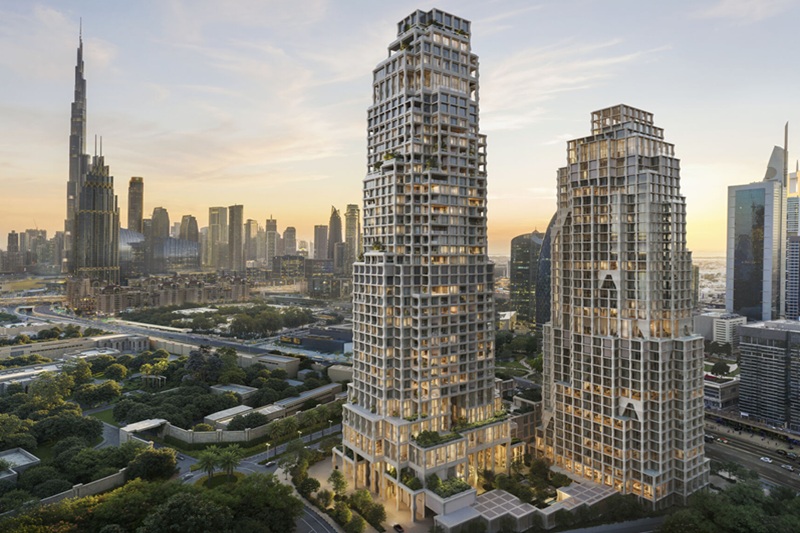
Dubai’s real estate market is entering a new phase. For years, the city’s skyline has been defined by sprawling master-planned communities and bold new developments. But as Dubai matures and prime plots in key districts grow scarce, developers are increasingly turning to a strategy that’s reshaping urban growth—infill development.
Put simply, infill development involves reimagining underutilised plots and ageing buildings within established urban areas to create high-value projects. It’s about breathing new life into what already exists and developing prime real estate without expanding the city’s footprint.
Having worked closely with developers, investors, and property owners across the city, I see this shift gaining momentum everywhere. Land, particularly in prime locations, is finite.
The smart capital is no longer just chasing the next big greenfield site; it’s looking inward. With Dubai forecast to see property prices rise by 8% in 2025, according to Knight Frank, and residential supply tightening in prime areas, the need for space-maximising solutions has never been more apparent.
Why Infill Development Matters Now
Land scarcity is fundamentally altering where and how developers can build. Districts such as Downtown Dubai, Dubai Marina, and Palm Jumeirah—once characterised by rapid greenfield expansion—are approaching full build-out. Land prices have soared, pushing developers to seek more competent, creative solutions.
I see infill development as the natural next step in the city’s evolution. Instead of focusing solely on Dubai’s periphery, forward-thinking developers are activating underused parcels and reimagining existing structures in central neighbourhoods.
What makes this approach so powerful is its ability to meet demand where it already exists—leveraging Dubai’s existing infrastructure, transport links, and amenity-rich environments. Whether modernising an outdated commercial building, converting a vacant hotel into branded residences, or repositioning retail space into a vibrant mixed-use destination, infill is unlocking hidden value within Dubai’s core.
It’s also perfectly aligned with the city’s evolving buyer profile. We’re seeing a rising appetite for properties that offer both exclusivity and connectivity—homes and commercial spaces located within Dubai’s core, close to transport links, schools, and lifestyle amenities.
Buyers want seamless integration into Dubai’s urban fabric—places where they can be close to the action, without compromising on luxury or lifestyle.
Unlocking Value Through Infill
One of the most exciting aspects of infill development is how it reinvigorates Dubai’s established neighbourhoods and creates new value in mature urban areas.
While much of Dubai’s real estate story has focused on bold, ground-up developments, we’re now seeing a shift towards projects that respect and enhance the fabric of existing communities.
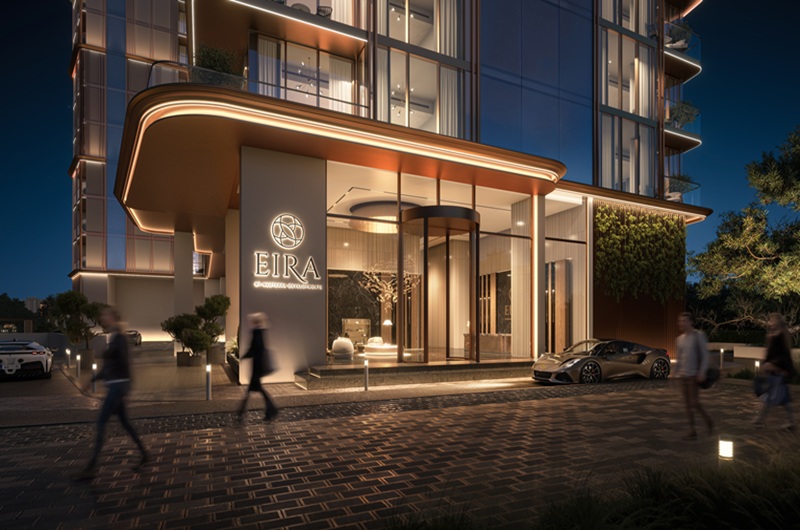
We are already witnessing the success of this strategy in the market. A prime example is Affini Residences, a project developed in partnership with HAMRK Real Estate Development.
This transformation of a former hotel into a branded and serviced residential development under Marriott International’s Tribute Portfolio seamlessly blends premium amenities with exceptional service, catering to today’s discerning buyers. Located in a prime urban district, Affini Residences showcases how reimagining existing structures can unlock new value while meeting the city’s evolving residential demands.
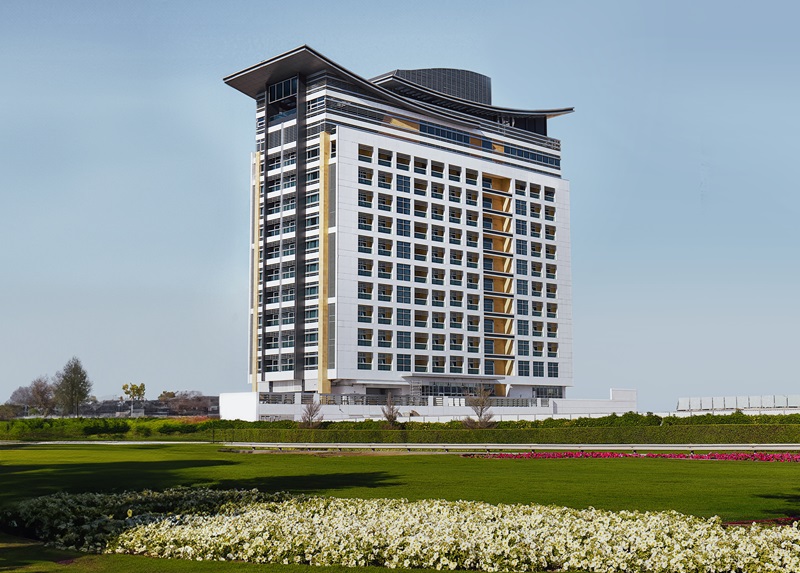
By introducing modern, high-end living spaces into an area already rich in infrastructure, public transport, and lifestyle amenities, Affini enhances both the property itself and the broader community. This is the essence of infill development—creating walkable, community-driven environments that appeal to today’s buyers, particularly those seeking convenience, connectivity, and exclusivity.
The market’s response was immediate. During Ramadan, we launched an Expression of Interest campaign, transforming the former hotel lobby into a temporary sales gallery with show units featuring finished interiors and furnishings. Demand exceeded expectations, with inventory oversubscribed fivefold and a full sell-out achieved in just one day—a testament to how strategic infill developments in prime locations not only enhance communities but also drive exceptional demand and commercial success.
Infill’s Competitive Edge
The greatest strength of infill developments is its proximity to Dubai’s core districts and amenities. These developments thrive in Dubai’s most connected districts, where public transport, schools, commercial hubs, and lifestyle amenities are already in place. This creates ready-made ecosystems where modern homeowners and tenants want to be.
The scarcity of prime plots makes infill projects inherently more exclusive. With fewer sites available in key locations, these developments command a premium and attract strong interest from investors and end-users alike. For developers, this translates into faster absorption rates and higher pricing potential.
Infill is also a winning strategy for ROI.
By leveraging existing infrastructure, developers can reduce capital expenditure and shorten development timelines—an attractive proposition in a market where speed-to-market is often critical. Fewer upfront costs and faster completions contribute to a more efficient and profitable model, all while supporting Dubai’s broader push for smart, sustainable urban growth.
The trend is accelerating. Another example is our collaboration with FIM Partners, a regional institutional asset management firm, which is transforming the Nuran building in Dubai Marina, it had earlier acquired through one of its funds. The waterfront property is undergoing a comprehensive redevelopment under Marriott International’s Autograph Collection brand, including a complete overhaul of the unit mix, interiors, MEP and amenity offering.
Scheduled to hit the market in late April, this project highlights how non-traditional developers are actively seizing infill opportunities in Dubai’s most in-demand neighbourhoods and transforming them into best-in-class luxury developments.
Crucially, infill aligns with the UAE’s sustainability goals. By working within the existing urban fabric and reducing urban sprawl, these developments create more compact, connected, and environmentally responsible communities—meeting the rising demand for ESG-aligned projects.
How Developers Can Unlock Infill Opportunities
To unlock the full potential of infill, developers need to take a strategic and proactive approach.
Our advise to our partners is to focus on high-density, supply-constrained areas with established infrastructure and connectivity. These mature neighbourhoods often hide untapped potential, from ageing towers and vacant plots to underutilised retail spaces.
Collaboration is key.
Developers who work closely with landowners, municipal authorities, and community stakeholders often uncover overlooked or off-market opportunities. Differentiation is just as crucial—buyers are increasingly looking for projects that deliver more than just a central location.
They expect thoughtful design, green building principles, and amenities that elevate the lifestyle offering.
A strong example is Expo City Dubai, one of the region’s most ambitious adaptive reuse projects. Originally built for Expo 2020, the development has been reimagined into a self-sustaining “15-minute city,” preserving iconic structures such as the Al Wasl Dome and UAE Pavilion while integrating residential, commercial, and leisure spaces.
Achieving GOLD LEED certification, the project is a blueprint for how large-scale repurposing can blend environmental stewardship with community-centric urban planning.
Ultimately, the most successful infill projects also create positive ripple effects in their communities. Whether through adding green spaces, creating vibrant public areas, or contributing to cultural placemaking, these developments should aim to integrate into and enhance the neighbourhoods they serve.
The Road Ahead
Infill development is no longer a secondary strategy; it’s fast becoming a cornerstone of Dubai’s urban evolution.
As the city matures and land scarcity sharpens the focus on efficient, thoughtful growth, infill is allowing developers to create projects that are both profitable and aligned with Dubai’s aspirations for sustainability and livability.
Infill development Dubai Expo City LEED Dubai Marina DIFC