Search
The report also stated that the FM Market in the Kingdom was estimated to be worth around USD20 billion and estimates a very positive 13% year on year growth of the FM market and industry in Saudi Arabia. So, what does this mean for the future of CAFM and the role of digitalisation in FM in this emerging market?
So, what does this mean for the future of CAFM and the role of digitalisation in FM in this emerging market? The use of technology within the FM sector continues to evolve at a rapid pace. The amount of disruption and change in the digital workplace means building managers and service providers cannot afford to be content with their technology platforms simply treading water. Big data and complex analytics, the Internet of Things (IoT), an agile and mobile workforce, and the Cloud are just some aspects of technology that must now be considered.
Implementing an FM platform that supports these technologies – among others – and enables collaborative working with a building’s owner, occupants, and other business systems leads to both, flexibility and agility in service delivery.
Intelligent buildings yield vast volumes of data from a plethora of systems, sensors, and data sources, but how that data is interpreted and used collaboratively is what contributes value and efficiencies. The key is to leverage the IoT ecosystem with technologies that can sense, communicate, analyse, and drive best practices.
CAFM is therefore key to the FM industry, and the coming generation of FM apps in end users’ hands has considerable potential for both clients and end-user consumers of the service alike. Smartphones and the apps on them have been growing as a key interface for maintenance and other FM professionals.
Inputting data into CAFM or similar systems through a smartphone interface is seen, if anything, as a better solution than the dedicated data recording devices that have been so ubiquitous but are so quickly being displaced.
What’s new, and what brings with it the potential to hugely affect both the type of facilities service and its delivery, is end users themselves gaining access to FM systems and departments through such apps – allowing those who actually experience the service to benefit from a direct connection to those providing it.
Currently, technology in KSA remains in general at a fairly basic level and much more education about the benefits of technology in FM is required.
The preponderance of input-driven contracts provides little incentive to invest in proper technology, as there is a suggestion that there remains a lack of trust between customers and suppliers, and in the Government sector, regulatory barriers. A drive towards greater transparency of performance data, aligned with the introduction of some output driven elements in contracts could start to shift the adoption process of software tools.
The adoption of FM technology is often lead by international service providers who understand the benefits of investing in facilities management technology tools, and this will hopefully happen more widely as the market matures.
While the FM market in KSA is still considered to be immature, therefore not many building owners fully understand the concept of facilities management, and how FM and the right FM technology can benefit them in the long-term.
Some of the biggest challenges within the Saudi FM market include:
• Cost-driven customers which result in contracts that are awarded to the lowest-cost contractor or supplier, and clients that are often unaware that quality FM lowers the lifetime cost of an asset. It’s very much a cost-driven market and we personally have struggled to convince customers of the value of technology to assist them with FM. We have found that some companies only invest in technology to tick a box, as there is no understanding of how to specify and select the right tool for the job.
• Unsophisticated approach to asset management, as there is a lack of basic data i.e. an asset register. Similarly, FM is not well understood and is considered only as “preventive” maintenance under O&M.
• The current workforce lacks training and education is not aligned to fulfi l the training requirements of the FM sector. There are currently no recognised FM qualifi cations in KSA, and it is a real struggle to find qualified staff capable of delivering high-quality FM, as a result of the lack of education. MEFMA are however working to change awareness of facilities management in KSA through training courses, workshops and networking events in the Kingdom.
• Lack of regulations. There are currently minimal regulations in place, and current contractor certifi cations provide little assurance of quality.
• Facilities Management is unattractive as a career to Saudi nationals, and FM companies have diffi culty meeting the minimum Saudi employment percentage, set by the Saudization programme.
Investment worth USD 47.73 billion is expected to be spent during 2016-2020 for the development of private sector business in the country, and according to a report from MEFMA, Saudi Arabia facilities management market is estimated to reach USD49.82 billion by the end of 2030.
A large number of facilities management service providers have therefore already started investing in Saudi Arabia to utilise these opportunities in order to strengthen their business by catering to the demand for industries such as retail, tourism, service sector, and the introduction of CAFM technology would certainly support these sectors by ensuring their smooth operational performance.
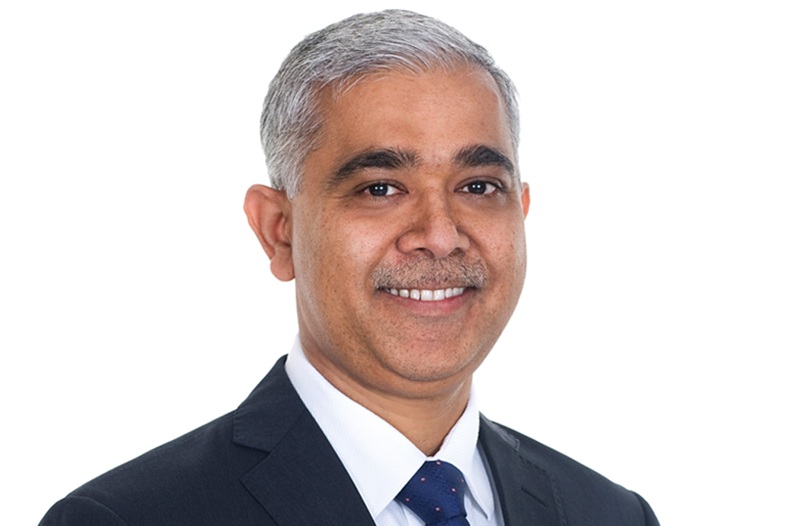
The Blog is written by Adrian Jarvis, Director of FSI Middle East










.jpg "Neoterra Developments Marks Sell-Out Of Eira In Dubai Production City")