Search
As the Middle East and Africa (MEA) advances toward a more sustainable future, air conditioning stands at a critical crossroads. With soaring urbanization rates, extreme climatic conditions, and year-round cooling demands, HVAC systems are not just amenities — they are lifelines. But they are also among the largest consumers of electricity and contributors to carbon emissions.
According to the International Energy Agency (IEA), most air-conditioning units currently in use are typically two to three times less efficient than top-performing models.
This can have profound implications for national energy strategies and climate goals, particularly in a region where space cooling accounts for up to 70% of residential electricity consumption[1].
The challenge is not hypothetical. The MEA region is projected to experience some of the fastest growth in cooling demand globally, driven by demographic expansion, urban sprawl and rising temperatures.
If the HVAC sector continues on its current trajectory — relying heavily on outdated, energy-hungry units — it could impact even the most ambitious net-zero roadmaps.
To pivot toward sustainability, two parallel transformations are important: new technology adoption and behavioural change.
First, the deployment of high-efficiency air-conditioning systems needs to be accelerated. These units, designed to deliver the same cooling output using significantly less energy, are not only viable but increasingly accessible. Their adoption can drastically reduce power demand during peak periods, cut carbon emissions, and lessen the burden on national grids already under strain.
Second, awareness and capacity-building across the built environment sector must keep pace. Engineers, developers, and facilities managers need more than equipment — they need knowledge and expertise. Optimizing HVAC performance requires understanding system integration, smart controls, passive cooling strategies, and proper maintenance practices.
Without this, even the most advanced unit can miss out on its efficiency potential.
This is particularly urgent in MEA countries implementing green building regulations or upgrading infrastructure. Too often, HVAC is treated as a compliance checkbox rather than a central pillar of sustainability planning.
Yet the data is clear: without significant improvements in cooling efficiency, countries will struggle to meet national targets under the Paris Agreement or regional net-zero pledges.
Beyond energy metrics, the implications of efficient HVAC stretch into public health, productivity, and resilience. In education and healthcare facilities, for instance, reliable and energy-efficient cooling can improve learning outcomes and patient recovery. In industry, it can enhance operational stability and reduce lifecycle costs. For vulnerable populations, it can be a matter of safety during heatwaves.
The path forward requires cross-sector collaboration. Policymakers, developers, suppliers, and training institutions all have roles to play in mainstreaming efficient HVAC solutions. This means aligning incentives, mandating performance standards, and investing in professional training programs that raise the bar across the board.
Ultimately, cooling in the MEA region is not optional — but how we cool is a choice. Choosing top-performing HVAC systems is not just a technical upgrade; it's a strategic imperative for any nation or business serious about sustainability. If net-zero is the destination, high-efficiency cooling is one of the most important vehicles to get us there.
References:
[1] The International Energy Agency (IEA) is an autonomous intergovernmental organization established in 1974 in response to the 1973 oil crisis. Headquartered in Paris, France, the IEA was created under the framework of the Organisation for Economic Co-operation and Development (OECD) to help countries coordinate a collective response to major disruptions in oil supply. For more detailed information about the IEA's mission and activities, you can visit their official website: IEA About.
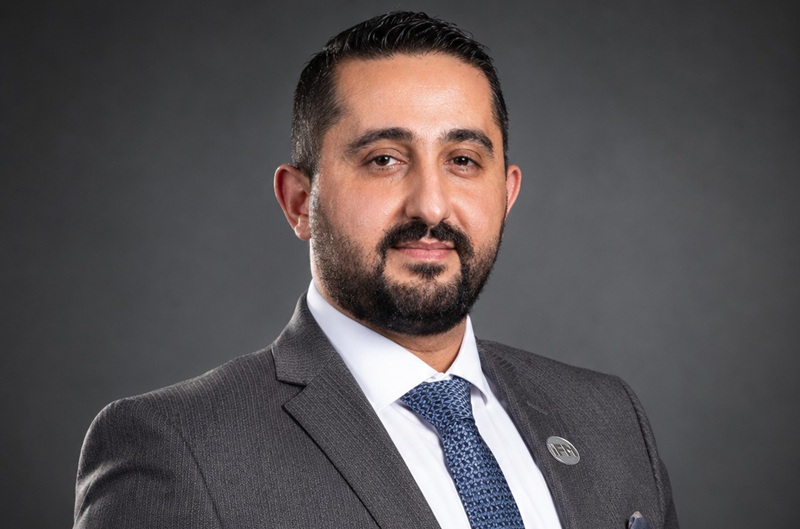
The author, Ahmed Aqel, is General Manager, Johnson Controls-Hitachi Air Conditioning, MEA.
Johnson Controls Hitachi Air Conditioning HVAC






.jpg "Operational Excellence: New Driver of Real Estate Asset Value")
.jpg "Armstrong Fluid Technology Appoints Erwan Elias as Regional Sales Manager for the UAE")
Mr.Francis Alfred-MD,SobhaRealty_H.E.MohammedAbdullaLengawi-DirectorGeneral,DubaiCivilAviationAuthority_Dr.Mao-President,KeetaDrone.jpg "Sobha Realty, Keeta Drone Sign Strategic MoU, launching Air Delivery in Sobha Communities")