Search
A new research from Arthur D. Little reveals a transformative approach to urban development that could redefine economic trajectories across the Gulf region.
The insights challenge traditional infrastructure planning, offering a fresh perspective on how development can become a catalyst for sustainable, community-led growth.
The report identifies a $150 billion economic opportunity rooted in community-integrated development, presenting a model where economic progress is driven by local engagement, youth participation, and cultural alignment.
Unlike conventional top-down approaches, this model emphasizes a bottom-up strategy, unlocking higher economic value while embedding sustainability and resilience into urban transformation.
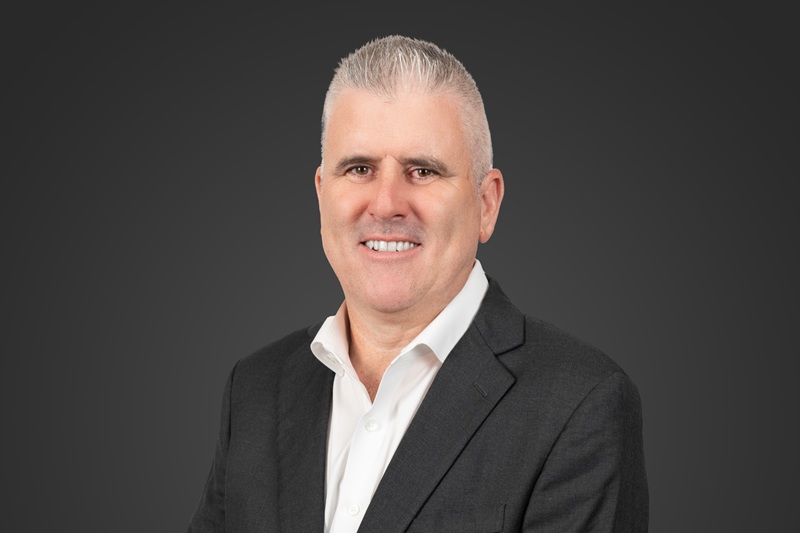
According to Rajesh Duneja, lead researcher at Arthur D. Little, “We’re witnessing a paradigm shift. This isn’t about building cities—it’s about creating living, breathing economic ecosystems that grow from within local communities.”
At the heart of this shift is a rethinking of urban growth. With urban populations in the Middle East projected to surge by 30% from 2020 to 2030, demand for housing, infrastructure, and inclusive development has never been greater. The Viewpoint suggests that traditional infrastructure models alone cannot meet the scale of this demand. Instead, community-driven strategies offer a more adaptive and inclusive approach, with the potential to create more vibrant and economically viable urban spaces.
Saudi Arabia’s ongoing effort to build 500,000 new housing units serves as a prime example of this approach. While often viewed as a construction initiative, Arthur D. Little reframes it as a broader economic development programme.
By embedding workforce development, SME support, and local engagement within its framework, the project ensures that each unit represents more than just shelter—it becomes a catalyst for opportunity, education, and long-term economic contribution.
These community-focused strategies are not only enhancing social impact but also driving economic growth.
The research offers perspectives on how these initiatives could support a 4% GDP growth trajectory for the region, reinforcing its economic resilience in the face of global challenges. By embedding local ecosystems and socio-economic inclusion into development, countries can strengthen their capacity to weather economic shocks.
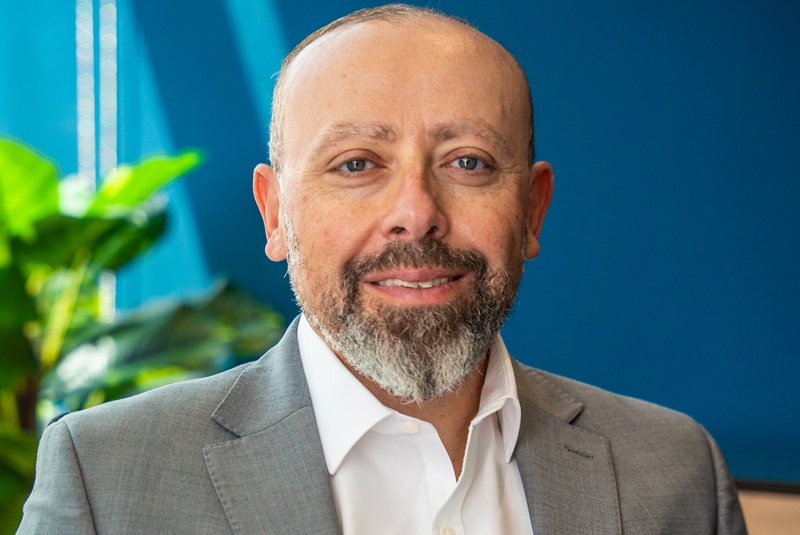
“This is not just urban development,” explained Maurice Salem, Principal at Arthur D. Little Middle East “It’s the emergence of a new economic blueprint that places human potential at its core.”
The region’s demographic profile further strengthens the case for a community-driven approach. With only 3% of the population in Saudi Arabia over the age of 65, the Middle East has an unparalleled opportunity to leverage its young, dynamic workforce. By incorporating pathways for youth engagement and cultural alignment, the Viewpoint highlights a clear opportunity to drive long-term economic growth.
This focus on human capital also underscores a broader evolution in development thinking. Rather than treating infrastructure as an isolated objective, Arthur D. Little presents it as a vehicle for community-driven growth. When integrated with local talent, cultural heritage, and SME development, infrastructure projects become engines of socio-economic transformation.
These insights provide a fresh perspective on national strategies like Vision 2030, which aim to future-proof economies through large-scale development.
Arthur D. Little’s report suggests that such strategies could achieve greater impact by focusing on community-driven initiatives. In this model, infrastructure becomes more than a collection of roads and buildings; it becomes a platform for skills transfer, SME growth, and local employment.
For policymakers, investors, and economic strategists, the implications are clear. Community-integrated development offers a definitive roadmap for the next phase of Middle Eastern economic progress. The shift away from top-down development models toward locally driven frameworks signals a profound change in how the region can achieve sustainable growth, build social cohesion, and drive long-term prosperity.
Arthur D. Little