Search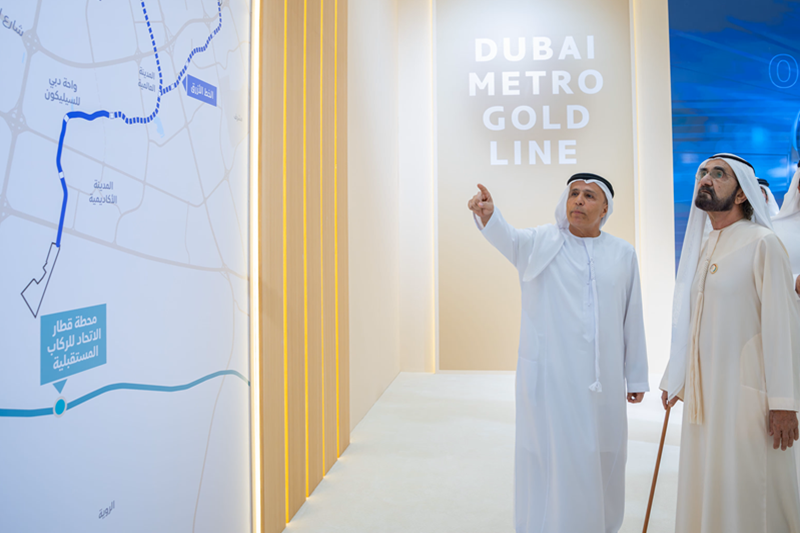
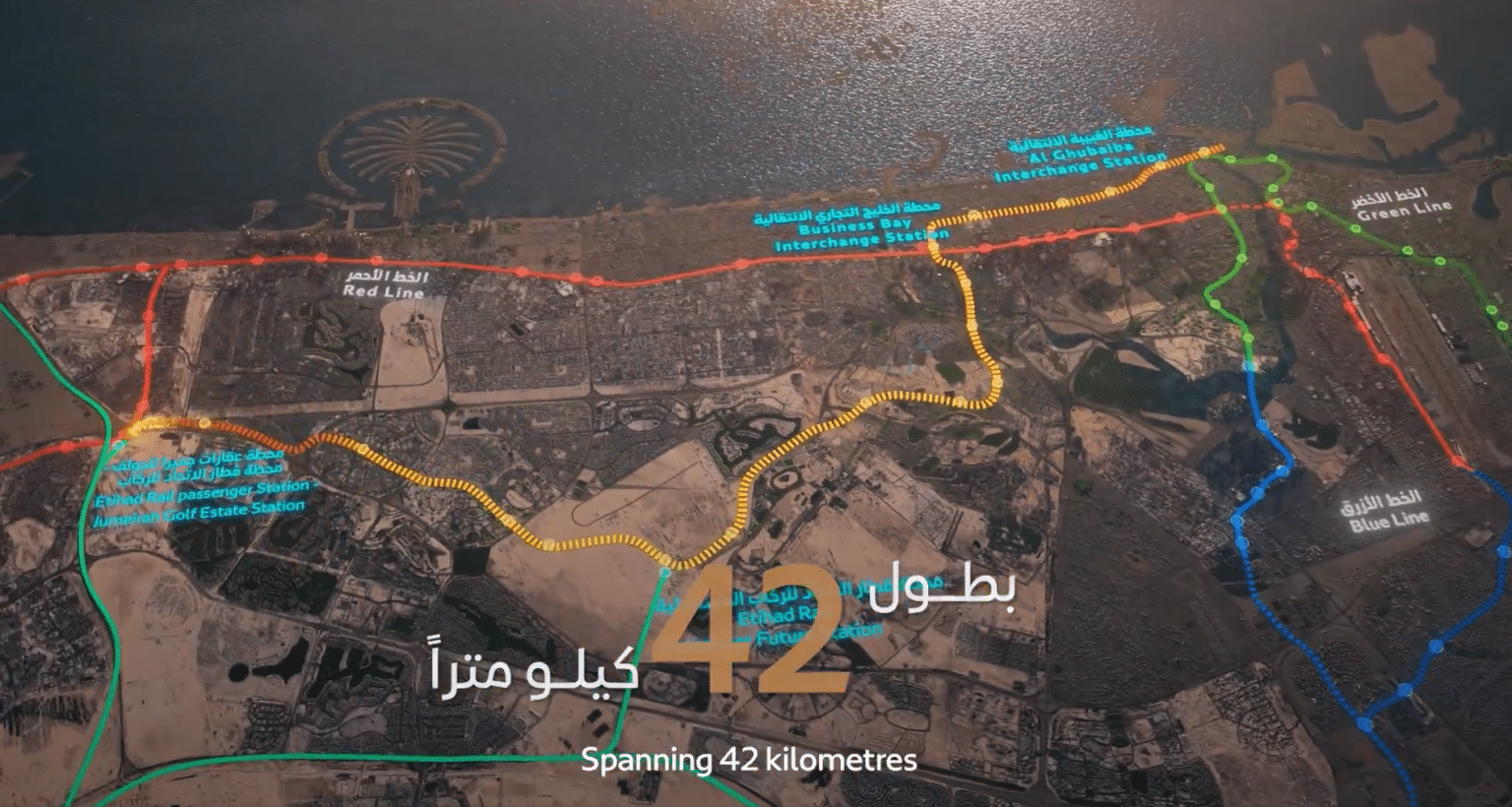
Dubai's urban mobility landscape is set for its most significant transformation in years, with the Metro Gold Line — a fully underground, 42-kilometre route spanning 18 stations — on course for completion in 2032.
Serving an estimated 1.5 million residents across 15 strategic districts, the line will become the emirate's first fully integrated underground transit corridor and a critical artery for communities that have long waited for a direct metro connection.
Communities at the Heart of the Line
For residents of Satwa, one of Dubai's most densely populated and culturally rich neighbourhoods, the Gold Line marks a historic first. The area has never had direct metro access, with the nearest existing stops requiring a walk of around 20 minutes. Two dedicated stations — one near the Satwa Bus Station and another along Al Satwa Road — will change that entirely, opening up seamless connectivity for the thousands of residents and workers who make the neighbourhood one of the city's most vibrant.
Further along the route, the residents of Dubai Hills — a master-planned estate designed to ultimately house over 100,000 people — will gain their first metro link, connecting a fast-growing community to the wider network. Similarly, the up-and-coming district of Nad Al Sheba, which has seen considerable investment and development activity in recent years, will receive its own dedicated stop, cementing its place within Dubai's connected urban fabric.
JVC residents, who have historically contended with limited public transport options despite the area's rapid residential growth, will also benefit, with a Gold Line station bringing the neighbourhood into the metro network for the first time.
Key Interchange Points and Network Integration
The Gold Line has been designed with connectivity in mind. It will intersect with the existing Red Line at two points — Business Bay and Jumeirah Golf Estates — and link to the Green Line at Al Ghubaiba, where commuters will also benefit from proximity to intercity bus services and waterfront destinations along Dubai Creek. A second Downtown Dubai stop, distinct from the existing Burj Khalifa/Dubai Mall station, will ease congestion in one of the city's busiest corridors.
The line will also integrate with Etihad Rail's upcoming passenger service at two locations, including a future interchange at Meydan — giving residents and visitors a direct connection to the national rail network and the Meydan Racecourse precinct.
Major Attractions Finally Connected
Beyond residential communities, the Gold Line brings long-awaited metro access to two of Dubai's most visited destinations.
Global Village, which draws over 10 million visitors each season, and Dubai Miracle Garden, home to more than 150 million flowers across 72,000 square metres, are both set to receive dedicated stops — a development that will significantly ease seasonal congestion and reduce private vehicle dependency at both sites.
A Broader Vision for Dubai's Rail Future
The Gold Line is one part of a wider expansion of Dubai's rail network.
The Blue Line — awarded in December 2024 to a consortium of Turkish and Chinese firms at a value of AED 20.5 billion — will add 14 further stations and become the first Dubai Metro line to cross Dubai Creek, with daily ridership projected to reach 320,000 by 2040.
Meanwhile, the RTA has also invited bids for an Airport Express Line connecting Dubai International Airport to Al Maktoum International Airport via a 55-kilometre route, and planning is underway for the Purple and Pink Lines.
A rail masterplan update, currently out to tender with 10 firms having submitted bids, will align all future development with Dubai's 2040 Urban Masterplan — the ambition of which is clear: every resident within a 30-minute metro or light-rail journey of their workplace.
The Gold Line, signifies transformation for communities like Satwa, Dubai Hills, JVC and Nad Al Sheba, and will bring city-wide connectivity to the emirate they already call home.