Search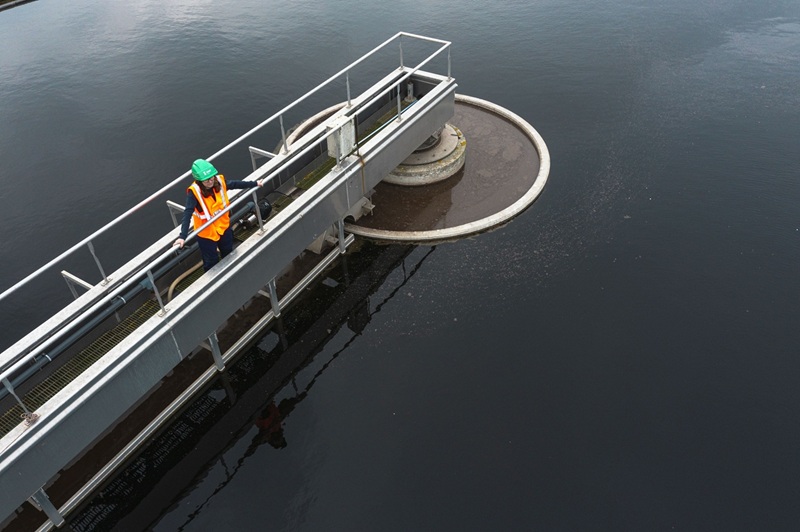
Across the Gulf Cooperation Council (GCC), water scarcity is not a distant risk but a structural reality. Limited natural freshwater reserves, rapid population growth, accelerating urbanisation, and expanding industry have made desalination the default solution for decades. But the region now faces a key question: is there a better, more sustainable way to manage water?
Rather than focusing solely on producing more water, the next frontier lies in rethinking the water already in circulation. Once viewed primarily as a disposal challenge, wastewater is increasingly being recognised as a renewable resource capable of supporting water security, energy transition, and circular economies. Across the GCC region, the potential to reuse and recover resources from wastewater is enormous. If harnessed effectively, it could redefine sustainability for the region.
Advancing circular water solutions
Globally, wastewater is no longer seen simply as waste but as a valuable source of water, energy, and nutrients. According to the United Nations Environment Programme, wastewater contains up to five times more energy than is required to treat it. Methane captured during treatment can contribute to renewable energy generation, while treated sludge can be transformed into fuel or agricultural inputs, further supporting circular economies.
For the GCC region, where water, energy, and food security are closely interconnected, this global shift is particularly relevant. Beyond being a technical challenge, turning wastewater into a resource offers economic as well as environmental benefits.
GCC’s water reality
The region has significantly invested in wastewater treatment infrastructure. According to data published by the Statistical Centre for the Cooperation Council for the Arab Countries of the Gulf (GCC-Stat 2016), approximately 73 per cent of collected wastewater is treated demonstrating strong investment in infrastructure. However, only around 39 per cent of treated wastewater is reused, with the remainder discharged into the environment. This gap represents one of the region’s most significant sustainability opportunities.
Some countries are already leading by example. In Oman, over 95 per cent of treated wastewater is repurposed, mainly for irrigation and landscaping, driven by comprehensive national water reuse strategies. Qatar has also reached near-total reuse, incorporating treated effluent into public green spaces and agricultural initiatives. In the UAE, several emirates have achieved reuse rates exceeding 50 per cent, with treated water widely applied in irrigation and district cooling systems. Meanwhile, Saudi Arabia aims to raise its wastewater reuse to 70 per cent by 2030 under its national water strategy, with substantial infrastructure projects already in progress. Experts believe that reuse could potentially reach up to 90 per cent across the region with the right infrastructure and policy alignment.
Economic sense and strategic value
Wastewater reuse is not just good for the environment; it also represents a compelling economic opportunity. Desalination, the GCC region’s historical water lifeline, is energy-intensive and environmentally challenging due to CO₂ emissions and brine discharge. For economies balancing sustainability targets with economic diversification, wastewater reuse when supported by renewable energy strategies such as the deployment of photovoltaic panels to power new treatment infrastructure, offer one of the fastest pathways to impact, reducing pressure on potable water supplies while supporting industrial, agricultural, and urban growth.
Today, wastewater reuse is becoming central to urban planning and giga-project sustainability strategies across the region. Dubai, for example, is targeting 100 per cent wastewater recycling by 2030 through its clean energy and water strategies, embedding treated water into landscaping, district cooling, and construction processes, thus laying the foundation for circular, resilient urban systems.
Scaling wastewater reuse in the region
To fully unlock the potential of wastewater in the GCC region, three key enablers are essential. First, new infrastructure should be developed, with distribution networks expanded to ensure that treated sewage effluent (TSE) reaches industrial and agricultural users. Second, policy reforms are needed to recognise treated wastewater as a strategic resource rather than a by-product, thereby encouraging greater private sector participation. Finally, advanced treatment technologies, including reverse osmosis, ultrafiltration, nutrient recovery, and energy capture, can transform treatment plants into resource recovery hubs, enabling wastewater to contribute actively to the region’s sustainability and circular economy goals.
Aligning wastewater reuse with these national priorities can deliver compounded economic and environmental returns, further strengthening long-term resilience across the region. Delaying action, by contrast, will risk locking in greater dependence on desalination and significantly higher long-term costs.
A strategic moment for the GCC region
Historically, the GCC region’s history with water has been defined by desalination. But the next chapter may be defined by circular water systems. With climate pressures intensifying and demand rising, wastewater is a strategic sustainability asset. With the region’s robust financial capacity, infrastructure momentum, and policy ambition to lead globally in wastewater reuse and resource recovery, the path forward is clear. Governments should formalise wastewater reuse as a central pillar of national water security strategies and establish ambitious and measurable targets, aiming to reuse over 80–90 per cent of wastewater. Public-private partnerships need to be expanded to support investments and innovations, while circular water standards should also be integrated into all new urban and industrial developments. Thereby, the region can transition from reactive water management to a model of proactive, long-term water resilience.
If wastewater is treated not as waste but as a strategic renewable resource, the GCC region can transform one of its biggest environmental challenges into a defining sustainability advantage, turning scarcity into resilience and opportunity.
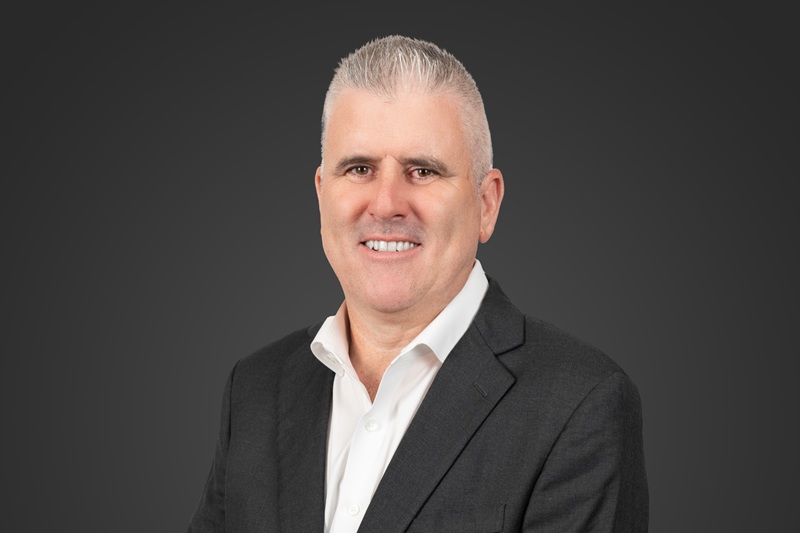
The author, Luis de Lope, is CEO of Saur International.
wastewater desalination