Search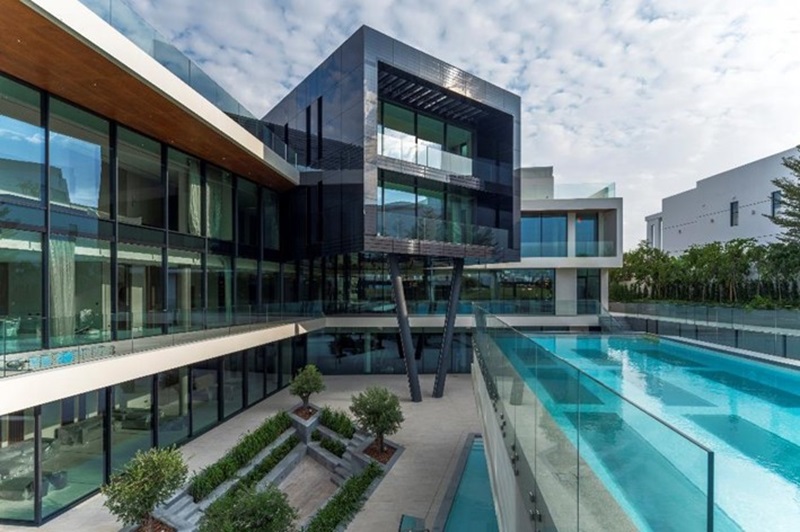
The wellness economy, a multi-trillion-dollar business, has grown with relentless momentum post pandemic. In a bid to live longer and fitter lives, urban consumers, particularly the affluent, are spending on everything from superfoods to IV vitamin drips and new-age trends that promise to revolutionize their health and wellbeing. This demand for wellness has permeated the region’s real estate market too, most visibly in luxury residential projects and to some extant in office, hospitality and commercial developments.
Wealthy home buyers and investors worldwide are no longer interested in run-of-the-mill luxury properties. They are actively seeking out developments that embrace “Wellness Living” – a catch phrase used to refer to properties kitted out with green-scaping, spa, gym, meditation spaces and other wellness amenities. And the good news is, they are willing to pay a premium for it. This mounting demand, likely to endure for the coming decade, is pushing developers to ramp up their wellness offerings with each new project announcement.
Dubai, the world’s capital for luxury branded residences, rivalling Miami, New York and London, is also seeing its share of wellness-oriented projects such as Aldar’s latest Verdes by Haven, while Abu Dhabi prudently follows suit with uber niche developments like SHA Wellness Residence on AlJurf Island. The next 5 years will witness the rise of many more in the UAE.
Comfort, the Ultimate Luxury
To ride the wave of Wellness Living and deliver luxury projects that promote the physical and mental health of its users, requires the integration of ergonomic, biophilic design with smart technology and the element of ultimate luxury - comfort.
Although comfort can be subjective and personal, there are certain factors that contribute to creating comfortable spaces, primarily the quality of air, light, sound, space and materials. What often distinguishes a wellness-oriented luxury property from others is its focus on the often-overlooked aspects of ventilation, air quality, water quality, noise control, moisture control, and thermal optimization. These factors collectively contribute to the Indoor Environmental Wellness Index (IEW-Index).
Although such indices are not in active practice in the Middle East construction sector currently, one can expect this to become important in the coming years as wellness living becomes the norm in the luxury residential sector. Air treatment solutions and noise level optimization through proper insulation of everything from facades to plumbing systems are strategies that will become common place as luxury properties prioritize wellness.
Wellness by Design
Biophilic design is the holy grail of wellness living. Open floor planning, natural light, indoor green spaces, use of natural materials, nature shapes and earthy tones are biophilic design principles currently in vogue in luxury properties.
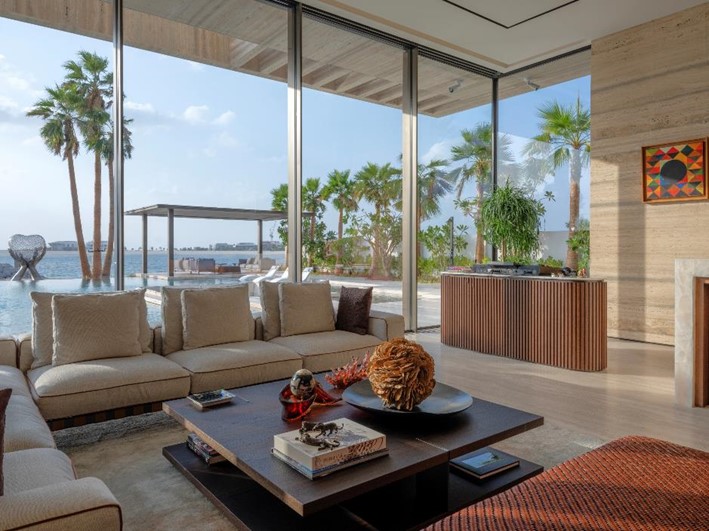
Skylights, expansive glass walls, frameless windows and other such sleek glass features that help to create integrated living spaces by blurring the borders between interiors and exterior landscaping in luxury living, often add to the thermal load of the property. In a move to mitigate this, high-glazed glass with low U-values, glass that maximises natural light whilst minimizing heat transfer, is becoming hugely popular in luxury construction.
Likewise, water features like Koi ponds, that not only create a relaxing visual effect but also add pleasing white noise, are starting to trend in luxury residences.
Integration of Smart Technology
Smart technology is no longer a fad, it has become the standard in luxury wellness properties. It is an indispensable must-have that contributes to the wellbeing and comfort of residents, particularly home automation systems that help monitor and control everything from to air conditioning (HVAC) to water purification systems.
Active Design
There is a downside to home automation. It promotes a passive lifestyle where the occupant has access to everything at the touch of a button. This high focus on comfort minimizes movement and goes against the grain of fostering physical wellness. This can be offset through design that encourages an active lifestyle.
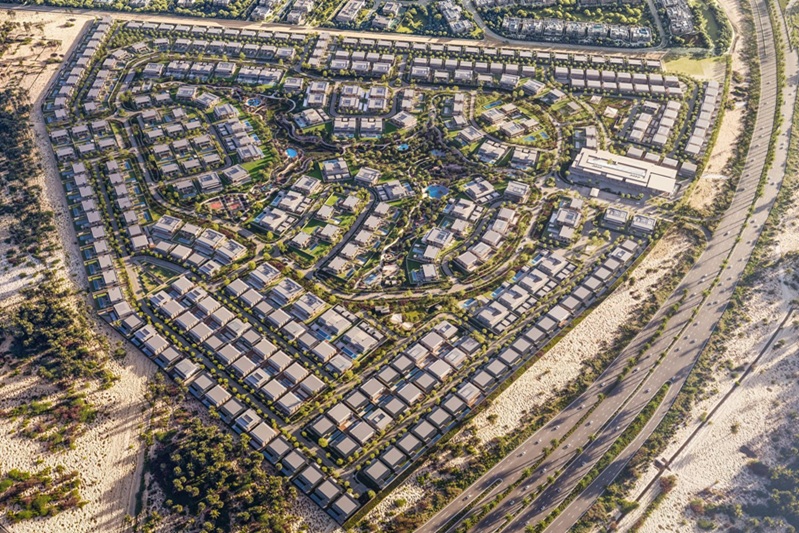
Other than integrating wellness-focused amenities such as a gym or a yoga room, it is important to create inspiring spaces that naturally encourage movement. For instance, a well-lit stairway with a view to the garden is more likely to encourage the occupant to use the stairs. In luxury apartment complexes and gated community living, a more active lifestyle can be promoted by prioritising green spaces and amenities like walking trails and outdoor fitness areas.
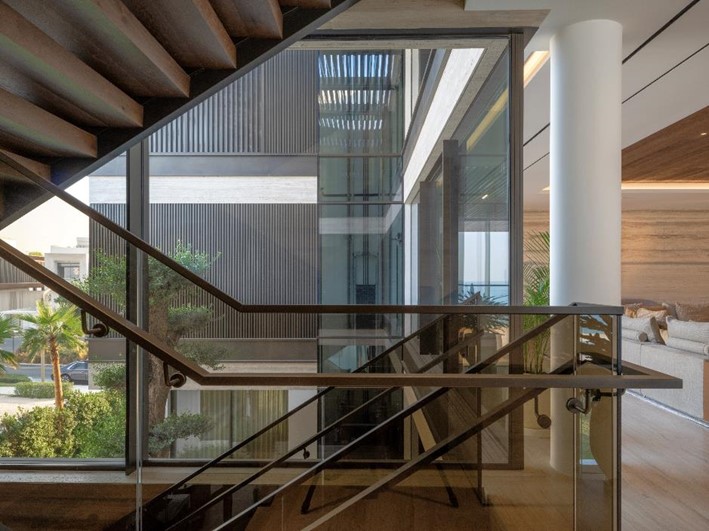
Eco-friendly building and Sustainability
Green building practices, such as eco-friendly construction, integration of renewable energy sources such as solar panels, and energy-efficient features, have become commonplace in luxury real estate development. While commercial projects and green financed developments formally seek LEED certification, private properties are less concerned with it.
The ESTIDAMA Pearl Building Rating system, a sustainability metric developed by the Abu Dhabi government, currently requires all new projects to achieve a minimum Pearl Rating 1. However, developments with a focus on wellness living are pushing the envelope to achieve Pearl 3 and even 4 ratings through the implementation of water conservation measures such as grey water recycling systems, use of green building materials and construction techniques, integration of smart technology, and bioclimatic design that promotes energy efficiency.
Wellness living is undoubtedly reshaping the region’s luxury construction sector. As high-end clients prioritize their health, comfort and happiness above all else, only projects that marry luxury with a holistic approach to well-being stand to win in our increasingly competitive and constantly evolving real estate market.
Eco-friendly building biophilic design wellness living WalkThru Contracting




Mr.Francis Alfred-MD,SobhaRealty_H.E.MohammedAbdullaLengawi-DirectorGeneral,DubaiCivilAviationAuthority_Dr.Mao-President,KeetaDrone.jpg "Sobha Realty, Keeta Drone Sign Strategic MoU, launching Air Delivery in Sobha Communities")