Search
The UAE has put sustainability at the forefront of its vision and with it the retrofitting of existing buildings to add longevity to the built-environment. Looking at the last decade, many experts believe that when it comes to the efforts put in towards sustainability in the region the focus was largely on new construction than existing buildings. Yet, retrofitting is a concept that has gained traction and is one of the most significant development activities taking place in the region. The UAE’s retrofit market is growing at a steady pace and has indeed cut major inroads in terms of strengthening awareness among the major stakeholders, and promoting positive action.
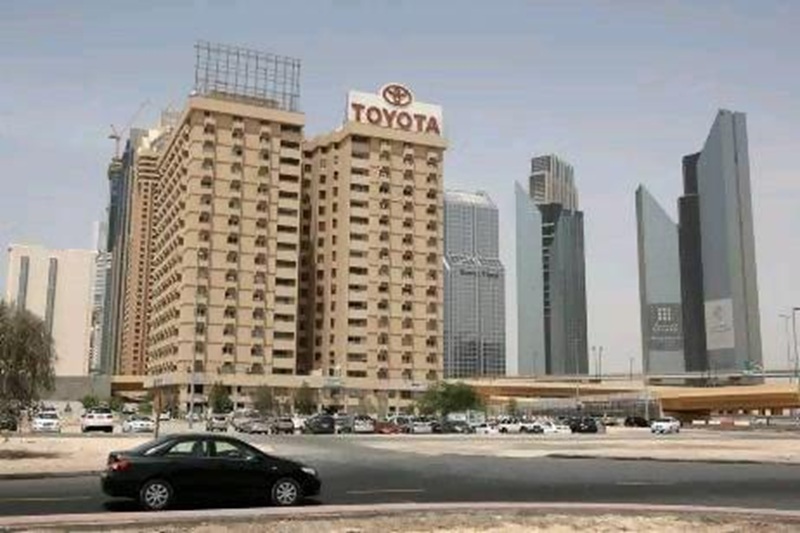
Two years ago, the Dubai Supreme Council of Energy (DSCE) and Etihad ESCO had announced its recent plans to retrofit 30,000 buildings in Dubai by 2030. Work has already commenced in this regard and is on a time-bound schedule. According to Etihad ESCO and RSB, it is estimated that 25 percent of the existing buildings in Dubai can benefit from retrofit, therefore there is a large potential for change in the Emirate.
 Current market situation
According to the ‘Energy and Water Statistics, 2014 Report’, domestic, commercial and government buildings in Abu Dhabi consume about 84% of the total electricity consumption in the city which amounted to 44,386,471MWh in 2014. A similar proportion of Dubai buildings’ contribution to electricity consumption, as reported by DEWA, represents 33,659,150 MWh, for the same year. It’s worth mentioning that the consumption in 2014 was 35% higher than the consumption in 2010 in Abu Dhabi while this difference was 17% in Dubai, notes Maen Nimrawi, Projects Manager ‐ Sustainability & Commissioning, KEO International Consultants.
“Energy efficiency has been gaining momentum in the UAE, particularly in the Emirate of Dubai where governmental authorities have engaged in an extensive program of retrofitting 30,000 buildings by 2030. The current market analysis shows that savings worth AED 1 billion could be the achieved by targeting a 10% energy consumption reduction in the buildings sector (residential, commercial, governmental, and private buildings) based on the current average electricity tariff in Abu Dhabi and Dubai. If a 10% annual saving target is applied to 50% of the existing buildings in the two emirates with an 80% success rate for the retrofits and a simple payback period of 3 years, it will generate a market potential of AED 2 billion for all the stakeholders,” adds Nimrawi.

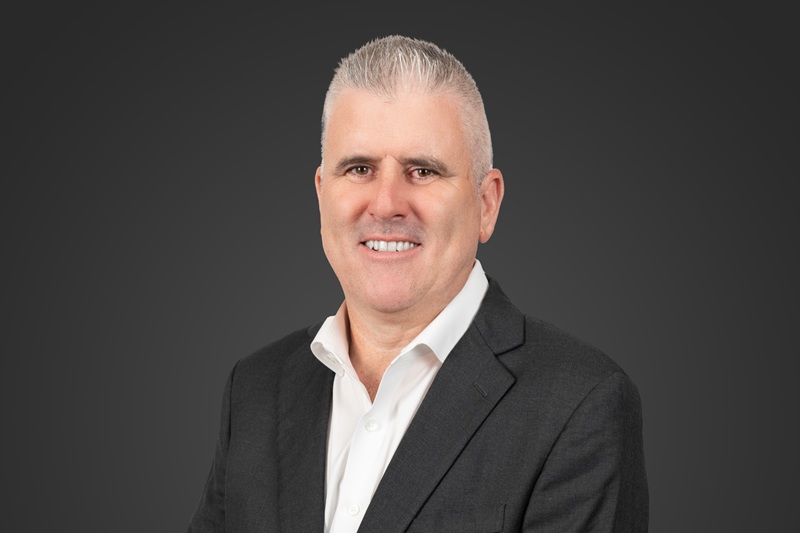
According to Mike Pidgeon, Director, CPA Consulting, the retrofit market in the UAE is really still in its infancy. “In Dubai in particular, there is a buzz around retrofitting, and more players are moving into space, but at this stage, there are relatively few examples of projects being implemented. As more data becomes available on successful projects, including implementation of efficiency measures and building integrated renewable technologies, I think we will see a snowball effect as building owners and operators see real results and recognise the financial benefits that come with retrofitting. In the coming years, I would also expect to see further increases in electricity and water tariffs, which will reduce payback periods and lead to greater uptake of retrofit opportunities,” adds Pidgeon.
Emirates Green Building Council (EmiratesGBC), as an independent forum aimed at conserving the environment by strengthening and promoting green building practices, is supporting these initiatives through year-round programmes and activities that include awareness and capacity building.
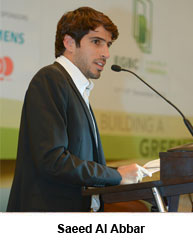
Moving forward, Saeed Al Abbar, Chairman of Emirates Green Building Council, envisions a stronger growth in retrofitting existing buildings. “Dubai is becoming a member of the C40 Network and joining the Building Efficiency Accelerator – demonstrating a clear governmental resolve to promote green buildings. Most recently, EmiratesGBC has joined hands with the Dubai Supreme Council of Energy for initiatives to double the rate of energy efficiency in buildings by 2030. This follows the new partnership between the World Green Building Council (WorldGBC) and the World Resources Institute-led Building Efficiency Accelerator (BEA), whereby Green Building Councils across the world are joining forces with leading cities to dramatically ramp up energy efficiency within buildings,” adds Abbar.
Action Plan
Nimrawi explains how retrofitting is a challenging business model which has to be initiated by the public and private firms’ management’s commitment to undertake detailed planning and build a framework for period checks for milestones and KPIs for the existing building energy efficiency. “It has to be supported by a well-defined framework for corrective action in case of deviation or discrepancy. This cycle needs to be completed by accounting for continuous monitoring, verification, reporting to assure optimum and sustained benefits in the long run. The implementation, execution and handling of such business requires specialized and high caliber expertise setup. This group should be led by operation executive managers, COO, CFO or CEO in some cases,” adds Nimrawi.
However, the relentless construction projects in the UAE and Dubai in particular, one wonders how the emirate will attain its goal and become one of the world's most sustainable cities? Abbar responds, “There is no doubt that construction contributes significantly to the nation’s GDP. But what is truly heartening is that led by the commitment and vision of the government, several sustainable development initiatives are being implemented, especially to promote energy and water use efficiency, and to reduce wastage. In fact, the focus on sustainability has struck deep roots – right from the choice of green building materials used to the design considerations and construction methodologies.”
This was underlined by the EGBC Annual Awards, which recognise excellence in green building initiatives. From schools to hotels to residential buildings and commercial enterprises, there is a concerted and grassroots-level focus on promoting built environment sustainability. “Today, with the cooperation of the winners, we are seeking to set a regional model for promoting sustainable development across the built environment,” adds Abbar.
Pidgeon points out that initiatives such as the Dubai Green Building Regulations and, notable, Estidama in Abu Dhabi, are helping to make new buildings in the UAE more “green” in a holistic sense. “However, the reality is that we will always rely heavily on air conditioning in this part of the world. For our consumption to become truly sustainable, we need to see investment in high-performance A/C systems and innovations in cooling technology, as well as a transition towards a decarbonised grid. The UAE is moving in this direction with the development of large-scale solar installations such as the Mohammed bin Rashid Al Maktoum solar park in Dubai. Nuclear energy, which will always divide opinion, is also being introduced, and this will certainly help to reduce the carbon footprint of the UAE,” explains Pidgeon.
Considering the rapid pace of growth in the UAE’s population, one cannot say for sure that people will be consuming less energy in 2030. Pidgeon says that what we can do is to reduce the carbon emissions associated with that consumption. “Renewable technologies, solar, in particular, are becoming genuinely more economical than electricity generation from fossil fuels, and by 2030, I think we will see a situation where the UAE meets most or all of its energy needs without fossil fuels,” says Pidgeon.
Green Trends
When it comes to ‘green’ trends, Abbar says that there have been some path-breaking initiatives happening in the UAE. He gives an example of the solar power energy sources that have taken off considerably since Dubai Electricity and Water Authority launched net-metering in Dubai. The 3D building design and construction is also gaining popularity according to him.
Pidgeon adds, “Many of our commercial buildings are already fitted with sophisticated building management systems. In most cases, there has been a lack of awareness of how to use these systems to their full potential, and what we are seeing now is that FM companies are becoming smarter in how they take advantage of these systems. Through re-commissioning existing technology within a building, significant reductions in energy consumption can be achieved, before even making any physical changes to the equipment in the building. Better maintenance can also play a key role in improving performance, and all of these opportunities can be identified through conducting an energy audit.”
All said and done, the future is bright for retrofitting. Developers are looking for more innovative ways to save money and to differentiate themselves from their competitors, and retrofitting offers a solution that meets both of these needs. However, the effort that is being made by Government entities must continue. While there are concerted and successful efforts already, more governmental efforts to increase building retrofits primarily in the private sector will help drive energy demand management. Based on research that has been conducted by local think tanks and government entities, other steps include taking efforts to create and maintain a robust green economy. Implementing product certification schemes and finally, stabilising progress with concerted education and awareness efforts.