Search
In recent times, climate change has become one of the most pressing subjects of concern for international, national, and local communities. Why are we facing these extreme conditions? Evidence points to heavy fuel consumption, urban sprawl, land-use changes, and deforestation as primary factors causing environmental anomalies, such as heatwaves, storms, drought, increased precipitation, floods, and other forms of extreme weather.
The UN reports that billions of people across the world are affected by these manifestations of climate change. The impact of climate change affects urban and rural dwellers alike — as Saudi Arabia has been experiencing for at least the last decade. With dry climatic conditions, its ecosystems are sensitive, water resources are limited and agricultural fields are vulnerable to environmental transitions. The KSA government has been dealing with the challenges of climate change and addressed them by introducing programs and institutional arrangements at the national level.
The Kingdom of Saudi Arabia’s average temperature is high throughout the year and depending on the location one might experience extremely dry or wet climates. Beyond this challenge, one needs to account for some weather phenomena such as sandstorms and flash rainfall. In this report, industry experts explore how climate changes can impact properties in the Kingdom.
The risks involved
When it comes to the impact of climate change, one of the very first things that need to be addressed is the socio and economic risks on the built environment.
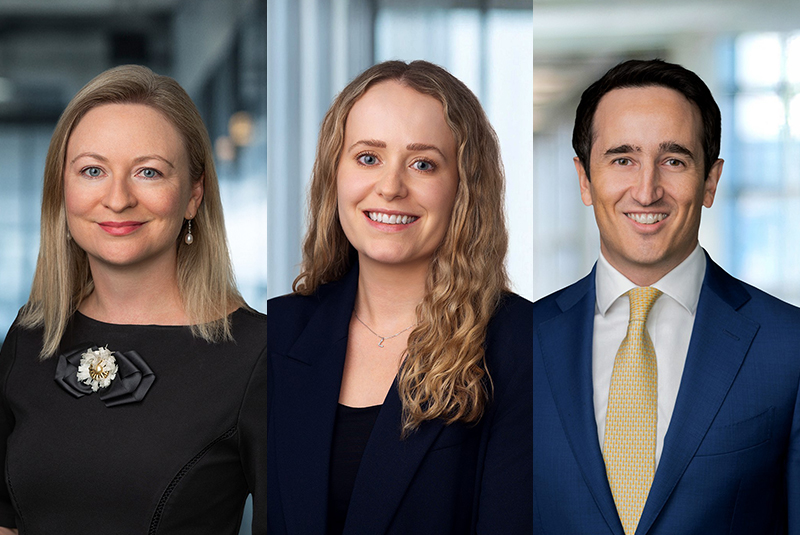
 Sophie Chick, Director of World Research, Savills, says that there are two main risks from climate change associated with buildings. The first one, she says, is a physical risk, which is the simple wear and tear of a building functioning in such an intense climate along with the impacts of things like sand and humidity on mechanical systems and facades. Secondly, transition risk. "When market trends move towards things like green certifications, assets that do not move along with the trend can be left behind and even isolated in the market as more and more tenants have sustainability requirements in their office space it can reduce the value of a building and the rents within that building," she adds.
So how does one handle these risks? There is a clear correlation between climate change and energy use. Globally there is a focus on both the energy efficiency and the source of energy for buildings, the technology to help monitor a building's performance, and improving construction methods e.g. modular method of construction Implementing circular economy principles.
In fact, Chick points out that Saudi Arabia has recently launched the Mostadam Green Building Certification. "This is a gulf centric sustainability certification focusing on critical elements within the region such as water and energy use, materials and waste as well as transportation and connectivity," she adds.
Enova, a regional leader in integrated energy and FM services, supports its clients on two sides. On the one hand, they help them reduce their energy consumption through Energy Performance Contracts (EPC), and on the other hand through the integration of on-site solar PV plants to generate renewable energy towards the goal of becoming self-sufficient or even net positive. Meaning to contribute more than taking from natural resources. Both solutions are accelerated through digitalization and customer-centricity.
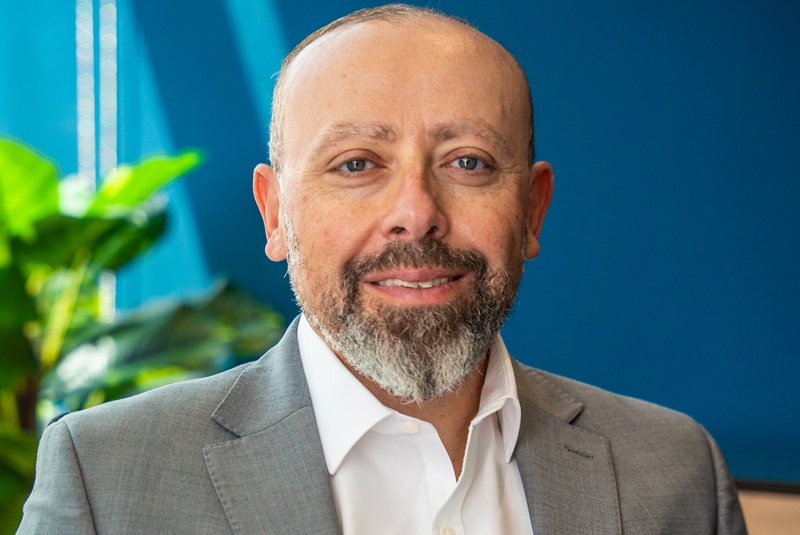
 Ibrahim Ghosn, Operations Director – KSA, Bahrain, Abu Dhabi, Enova, says that it is equally important to note that the extreme climate in the MENA region leads to the inhabitants spending up to 90% of their time indoors. This can have a massive socio-economic impact if the indoor facilities don’t cater to their diversified needs. “Buildings are the main hub for all types of activities, with different requirements. Without climatized spaces, the social contacts in the summertime would decrease significantly. Therefore, shopping malls and Leisure & Entertainment facilities have become a necessity rather than a nice-to-have. In all spaces, Indoor Environmental Quality, including Indoor Air Quality, is of importance to keep the end-users comfortable and healthy and counteract the ‘sick building syndrome’. There is also the issue of high humidity and dust and sand particles that need to be mitigated through a holistic HVAC approach,” says Ghosn.
Green Future
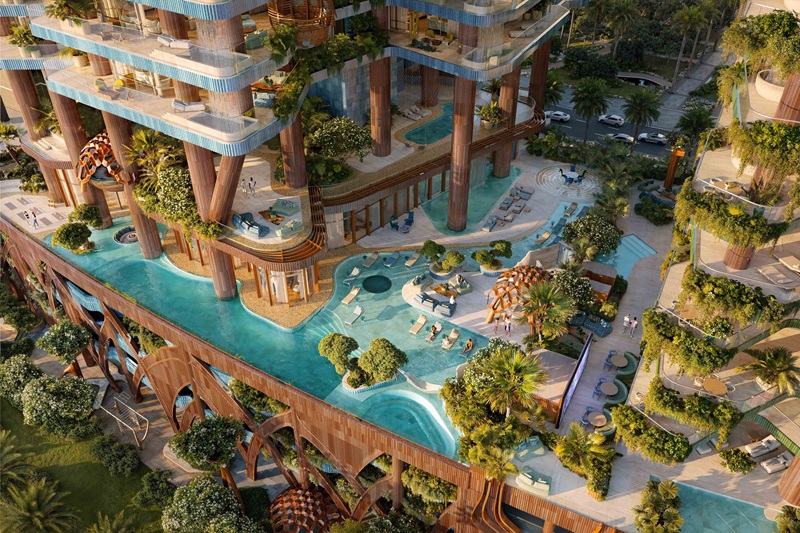
Counter-acting climate change is a team effort between public and private entities as well as the public. As a first step, energy and water consumption need to be reduced drastically. As this requires a change in mindset, awareness programs dedicated to the wider public are crucial. The Kingdom of Saudi Arabia is increasingly focusing on smart and green buildings. With Vision 2030 objectives, mega projects, supporting events, and numerous initiatives by the Ministry of Housing, Saudi Arabia is set to continue growing its green building sector.
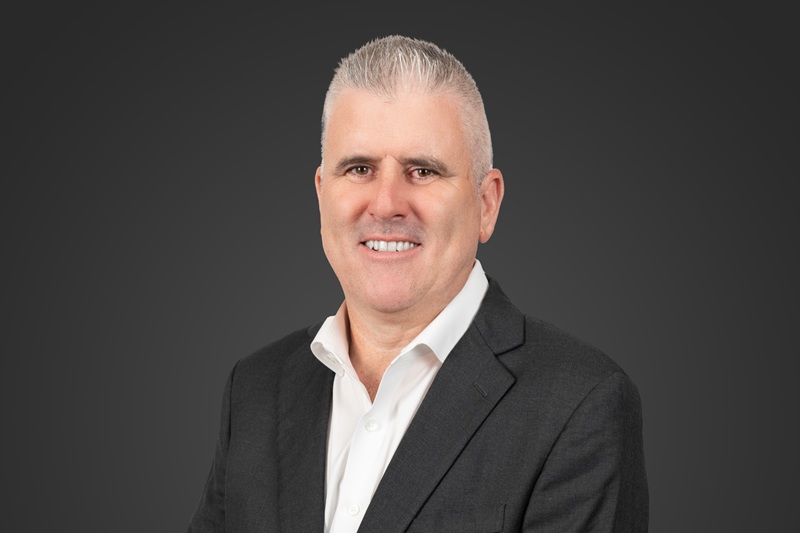
 Graham MacGregor, Associate – Project Management Buildings & Projects Consultancy, Savills Middle East, says that there has been a significant shift towards green development in the country. "Nearly 15 percent of all green building projects in the Arab world are in Saudi Arabia and it is the highest concentration of Gold and Platinum LEED-certified buildings. "A major challenge faced by the country now is the retrofitting of existing buildings to meet the standards being set by the new build projects," he states.
As a sustainability partner, Ghosn says that one needs to support clients both with the retrofits of existing building stocks and as consultants for new builds one needs to ensure all new facilities are built following sustainable principles. In fact, in early 2020, Enova handed over the first-ever retrofit project awarded in KSA by Tarshid, cutting the energy use of SASO’s facility by over 30 percent.
Enova’s experience has shown that it is always advantageous to integrate an Energy Performance Contract (EPC) with a conventional but digitalized Facilities Management approach. “Energy and water savings are guaranteed and achieved over the long-term through efficient Operation & Maintenance supported by real-time monitoring. This concept is promoted and supported by the KSA government through its Super ESCO Tarshid,” says Ghosn.
Looking at the future, MacGregor, says that Vision 2030 aims to move towards a circular carbon economy that breaks the link between environmental degradation and economic growth. And this is being done by prioritizing the recycling, reuse, reduce and removal of carbon from the economy. "NEOM is a new city development initiative as part of Vision 2030 which will be home to 1 million people while being powered by renewable energy and targeting zero carbon emissions. This sort of development will set a bar both regionally and globally for new developments," he says.