Search
Experts need to look across all the stages of a building's lifecycle to explore ways to make our built environment healthy and more resilient to the spread of infection, according to a recent report published by the UK’s National Engineering Policy Centre (NEPC)
The report is based on research led by the Royal Academy of Engineering and the Chartered Institution of Building Services Engineers (CIBSE) to identify measures that can be adopted in the UK's built environment to reduce transmission of infectious diseases.
The report "provides the government with important evidence and insight to consider as we learn lessons from COVID-19 and ensure we are prepared for the future," said Sir Patrick Vallance FRS FMedS, UK Government Chief Scientific Adviser.
The report pointed out that major interventions to existing buildings are costly and are not justified by the economic and health benefits alone. In such cases, it is necessary to adopt "simple, low-cost interventions to improve the quality of the indoor environment."
One of the ways to improve indoor environments is through improved ventilation. Improved ventilation "has been proven to reduce rates of asthma and general exposure to air pollutants that can contribute to sick-building syndrome," the report said.
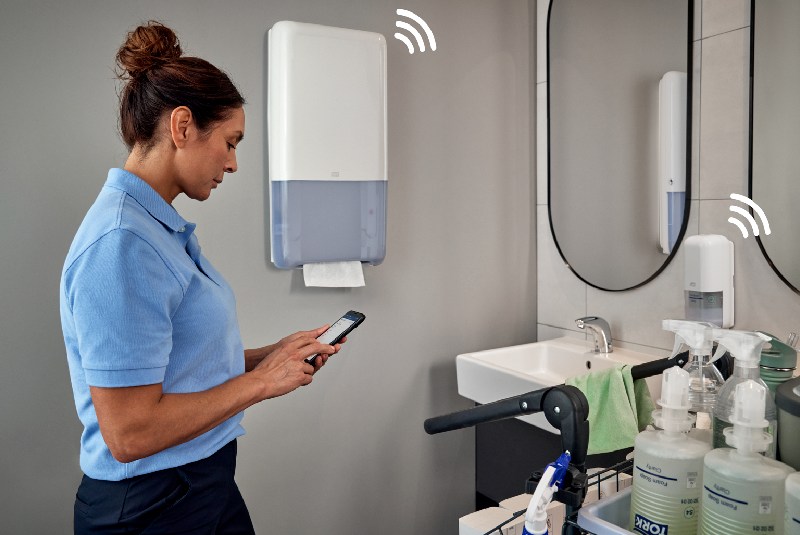
Another popular method to minimise the spread of infection is by adopting no-touch technologies. Equally important is the element of space management. "Further research is needed on how people interact with the spaces within buildings and how spatial configurations and occupant density can affect infection spread," the report said.
In the coming years, management of the built environment will play a role in public health and protection. The report stated that currently there is a lack of accessible standards to monitor indoor environments and this limits the ability to make informed decisions.