Search
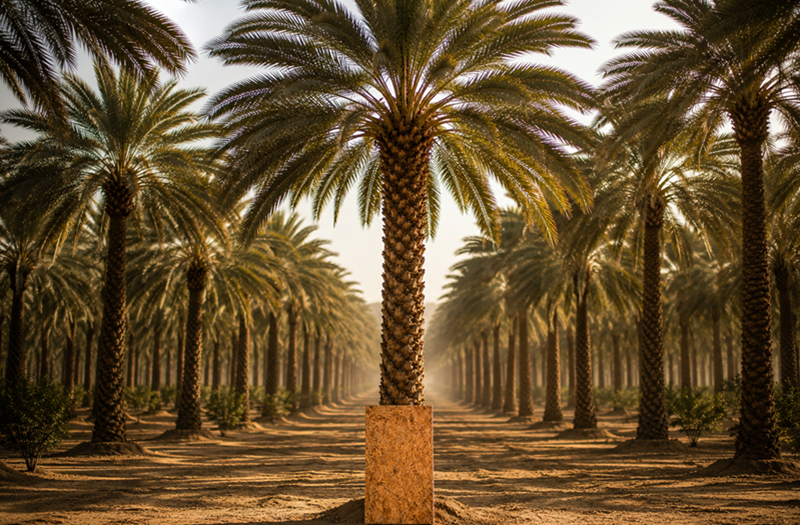
Date-palm fronds, one of the UAE’s most plentiful agricultural by-products, are making a stronger case for a place in sustainable construction. An independent assessment by KEO International Consultants has mapped DesertBoard’s Palm Strand Board (PSB®) against LEED v5, the newest version of the green-building certification system.
The assessment covers LEED v5 Building Design and Construction (BD+C). It finds that PSB® can support one prerequisite and five credits worth up to 20 points, in five areas:
- embodied carbon
- low-emitting materials
- climate health
- circular economy
- indoor air quality
For developers, architects and contractors, the mapping is a ready reference for weighing the material against certification requirements. Sustainability consultants also get data they can include in project submissions.
PSB® is made in KEZAD, Abu Dhabi, by turning fronds that regrow every year into engineered panels for construction and interiors. It is 91% bio-based, has E0 formaldehyde emissions and holds a verified Type III Environmental Product Declaration (EPD). Its environmental data is also listed on One Click LCA, the platform many project teams use to calculate the environmental impact of their buildings.
“Developers and architects need to know what a material can contribute to their project and have the documentation to support that decision,” said Kareem Farah, Director, DesertBoard UAE. “This mapping gives them a clear basis for considering PSB® within their LEED v5 strategy.”
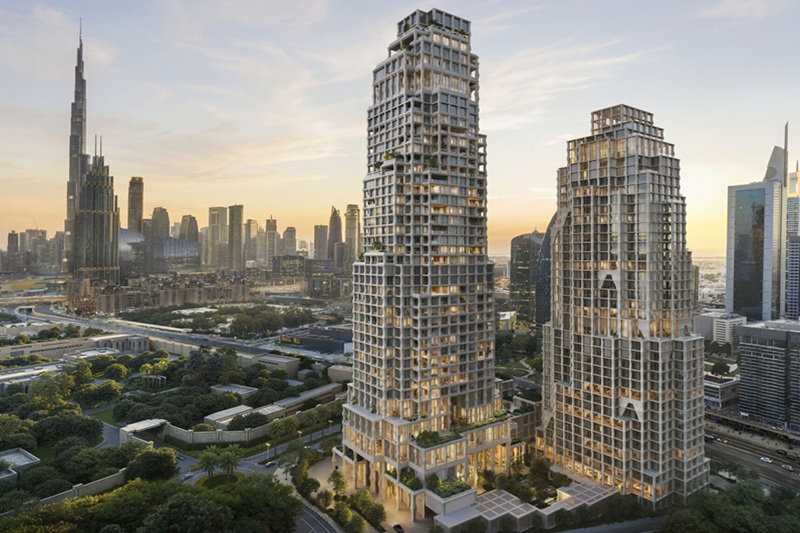
The material is already specified at Peninsula Four – The Plaza. Using project quantities and the verified EPD data, the PSB® specified there stores about 1,237 tonnes of biogenic CO₂-equivalent. That figure counts the carbon held in the material only. It does not measure the development’s net emissions reduction or say anything about its LEED status.
DesertBoard is clear about where its role ends. LEED credits and certification are decided project by project, based on the whole building and the criteria that apply. The company’s documentation supports that assessment but does not guarantee an outcome. Along with the LEED v5 mapping, it supplies emissions test reports, REACH compliance documents and bio-based content data to help with specification.
The announcement is part of DesertBoard’s wider push to turn the UAE’s palm residue into practical building products for walls, ceilings, doors and joinery. “We are taking a resource that is part of the UAE’s landscape and turning it into a building material with performance they can independently assess,” Farah said.
PSB® also won two awards at the ESG Business Awards 2026 in Singapore: the Circular Economy Award – UAE, and the Net-Zero Award – Building Material Manufacturer.
LEED Certification Peninsula Four – The Plaza KEZAD Palm Strand Board





.png "be-latest-banner")
.jpg "A Rockefeller on Sheikh Zayed Road")