Search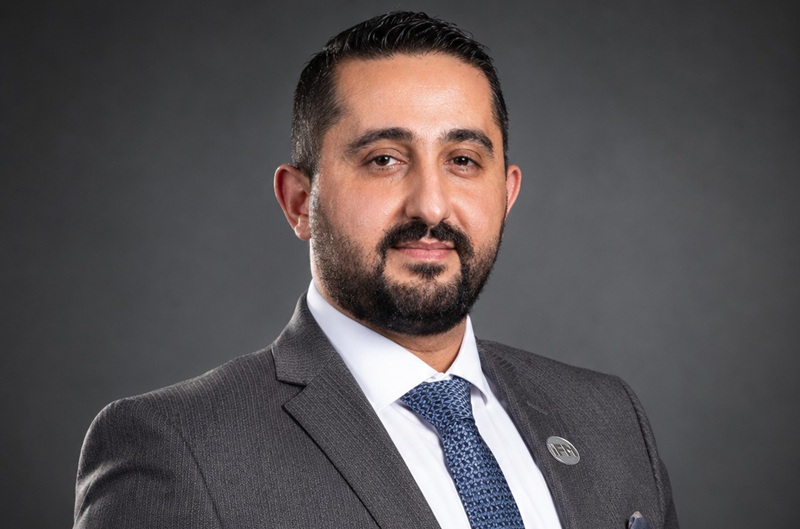
Facilities Management is entering a more data-driven and technology-enabled phase. Across the built environment, clients expect faster response, stronger compliance, better reporting, greater transparency, tighter cost control, and clearer evidence of service delivery.
At the same time, buildings are becoming smarter, systems are becoming more connected, and operational data is becoming more available. These developments are positive for the industry. However, the real value of FM technology is not achieved only when data appears on a dashboard. It is achieved when that data improves what happens next on site.
In my view, one of the most important opportunities for the FM industry is to strengthen the link between smart systems and practical service delivery. The next leap will not come from adding more platforms alone. It will come from making technology simple, accessible, and useful for the people delivering the service every day.
This is not a debate between technology transformation and workforce transformation. It is the connection between the two. Smart buildings need capable teams, and capable teams need tools that are designed around real site conditions.
The gap is often usability, not technology
Many FM organisations have invested in CAFM platforms, dashboards, IoT devices, command centres, AI-supported tools, and automation. These are important investments. They improve visibility, control, reporting, compliance tracking, and decision-making.
The important question is not only whether a system can collect data. The more practical question is whether the system helps the operation act faster, safer, and more consistently.
Can a technician access asset history and troubleshooting guidance quickly? Can a supervisor see risks before they become complaints? Can a cleaner or attendant complete inspections digitally and in real time?
Can a helpdesk team communicate accurate updates instead of chasing information manually? Can a client see clear evidence of service delivery without waiting for a monthly report?
When technology supports these actions, it becomes part of the operation rather than a reporting layer around it.
From dashboard visibility to operational enablement
Dashboards are useful, but dashboards alone do not deliver service. They show performance, highlight trends, and support management review. The next stage is operational enablement: giving front-line teams the right information at the right time so they can make better decisions during the working day.
For FM providers, this means technology should support both control and execution. It should help management understand performance, but it should also help the technician, supervisor, cleaner, attendant, security officer, and helpdesk agent perform their work with less friction and more confidence.
The strongest FM technology is not the system that looks most impressive in a presentation. It is the system that people actually use on site because it makes their job clearer, faster, and more reliable.
The front line is more digitally ready than we think
I believe many front-line teams are more digitally ready than companies sometimes assume. Today’s workforce uses smartphones naturally. People are familiar with mobile apps, short videos, QR codes, instant messages, and quick access to information.
In many cases, the challenge is not resistance to technology. The challenge is that some workplace systems are still too complicated, too slow, or too disconnected from site reality.
If people can use several applications confidently in their daily lives, they can also use workplace technology when it is practical, well explained, and designed for the field. Adoption improves when the technology reduces effort instead of adding administrative burden.
Technology must reduce friction at the point of work
For technology to create operational impact, it must reduce friction at the point of work. A technician should not need to search across multiple folders or wait for someone in the office to find a procedure, drawing, or asset history. A supervisor should not depend only on delayed manual updates to know what is happening on site. A cleaner or washroom attendant should not rely on paper checklists that become visible only after a complaint is raised.
The right digital approach should make the next action easier. Plant room information should be available through QR codes. Asset history, technical procedures, safety instructions, service records, and task status should be accessible from mobile devices. Washroom inspections should be live and digital. Escalations should be clear. Evidence should be captured as part of the work, not as an additional task after the work.
This is where technology becomes practical. It supports the person doing the job, improves the quality of evidence, and gives management and clients a more accurate view of what is happening.
A practical site lesson
One site situation stayed with me. During a non-critical technical issue, a front-line team member opened YouTube to better understand how a control diagram was connected. A client noticed it and was understandably concerned.
My view was slightly different. I saw initiative, but I also saw a gap. The real issue was not that he searched for help; it was that approved internal guidance was not as easy to access as an online video.
In a well-enabled FM operation, the approved diagram, troubleshooting guide, safety instruction, and asset history should be easier to reach than any public source. A QR code, mobile CAFM link, approved training clip, or digital plant-room library can turn that same curiosity into controlled, compliant, and productive action.
That is the lesson: the front line is willing to learn. Our role is to make the right knowledge faster, safer, and easier to access.
Visibility should support all stakeholders
One of the most powerful benefits of FM technology is visibility. But visibility should not only serve senior management or monthly reporting. It should support the provider, the client, and the workforce at the same time.
In many FM contracts, clients need confidence that service delivery is being performed properly and that manpower, productivity, compliance, and service output are supported by evidence. At the same time, service providers need structured data to manage resources, protect contractual position, and improve performance. The workforce also benefits when expectations are clear and performance feedback is transparent.
When everyone works from the same operational picture, discussions become more objective. The provider can demonstrate delivery and manage productivity. The client can see facts rather than assumptions. The workforce can understand priorities, standards, and areas for improvement.
This is not about turning people into numbers. It is about aligning effort, expectations, evidence, and outcomes.
Better data should lead to smarter deployment
Manpower remains one of the most important and sensitive discussions in FM. Some contracts are built around physical presence. Some clients want visible staffing on site. Some operations require higher coverage because of risk, footfall, complexity, hospitality standards, or authority requirements. Other areas may benefit from better planning, mobile teams, automation, and more flexible deployment.
Structured data can make this discussion more mature. It can show where workload is justified, where deployment can be improved, where supervisors need support, where repeated failures are consuming resources, and where processes are wasting time.
The objective should not be simple headcount reduction. The objective should be smarter deployment, better productivity, stronger service quality, and better risk control. Technology should help FM leaders understand where people add the most value and how they can be supported to perform better.
Training and culture must evolve with technology
If technology is changing, training must also evolve. Traditional induction and classroom training remain important, but they are no longer enough on their own. Many employees learn faster through visual methods, short videos, practical demonstrations, mobile-based content, and real-time guidance.
Technical guidance should be easier to access. Refresher training should be easier to consume. SOPs should be easier to understand. Learning should not stop at the classroom; it should be built into daily work.
Workforce transformation is not only about technical skill. It is also about ownership, communication, follow-up, accountability, and confidence. These behaviours become stronger when systems make expectations clear, information accessible, and performance visible.
Why this matters in the UAE
In the UAE, this discussion is especially relevant. The market includes premium hospitality assets, major mixed-use developments, public destinations, commercial towers, residential communities, cultural assets, and high-profile government and private facilities. Service expectations are high, and clients increasingly expect speed, transparency, compliance, customer experience, and measurable performance.
To succeed in this environment, FM providers need more than manpower and more than technology. They need the connection between the two: a workforce that is confident, supported, digitally enabled, and equipped with tools that work in real site conditions.
For FM leaders, this means evaluating technology differently. The question should not only be whether a system can produce dashboards, reports, compliance records, and analytics.
The question should also be whether a technician, supervisor, cleaner, attendant, helpdesk agent, and client can use the information in a practical way that improves daily service delivery.
What FM leaders should focus on
- Select technology based on field usability, not only management reporting.
- Involve front-line users during design, testing, and rollout.
- Convert SOPs, asset data, safety instructions, and checklists into mobile-friendly formats.
- Use QR codes to connect people to assets, procedures, records, and approved guidance.
- Link CAFM, IoT, BMS, procurement, and client reporting wherever practical, so data flows across the operation.
- Use short videos, toolbox talks, and site-based coaching to improve adoption.
- Measure actual usage and operational outcomes, not only system availability.
- Use data to improve deployment, productivity, risk control, and service quality responsibly.
Final thought
Smart buildings will continue to evolve. AI will become more capable. Automation will become more advanced. Data will become more available.
But the future of Facilities Management will not be shaped by technology alone. It will be shaped by how well we turn technology into better action, better service delivery, better evidence, and better outcomes on the ground.
Real transformation in FM does not happen when technology is installed. It happens when technology helps people do the work better.
The author, Mohammad Khreisat, is Operations Director at iFM.
iFM CAFM IoT BMS





.jpg "Armstrong Fluid Technology Appoints Erwan Elias as Regional Sales Manager for the UAE")
Mr.Francis Alfred-MD,SobhaRealty_H.E.MohammedAbdullaLengawi-DirectorGeneral,DubaiCivilAviationAuthority_Dr.Mao-President,KeetaDrone.jpg "Sobha Realty, Keeta Drone Sign Strategic MoU, launching Air Delivery in Sobha Communities")