Search
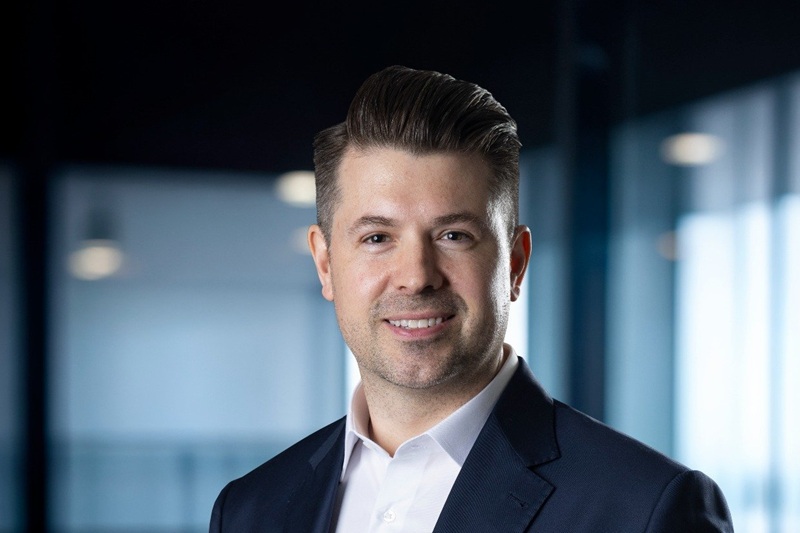
A green community is one that actively strives to minimise its energy consumption and environmental impact across all aspects.  It is characterised by the implementation of various green initiatives that prioritise sustainability and resource efficiency, says Mark Maynard, Head of Site Communications, Kingfield Owner Association Management Services (Kingfield).
“The key to building green communities lies in the adoption of the latest and most effective technologies that support energy reduction and minimise reliance on carbonintensive materials. By integrating innovative solutions, these communities can achieve significant environmental benefits and create a healthier, more sustainable living environment for residents,” he notes.
A green community adopts eco-friendly practices to meet the needs of its occupants to lead healthier and energy-efficient lives,  says Engr. Nabil Petkar, Facilities Manager, Better Communities Owners Association Management. “Building communities with detailed attention towards eliminating any possible chances of energy loss and/or excess consumption is one of the key factors towards building a green community.”
Climate change is naturally one of the main motivations behind the implementation of green communities, and sustainable communities offer a way of living that’s designed to meet people’s long-term needs. In Engr. Petkar’s view, “this is vital for the general health of the population and planet,” and green communities place emphasis on important factors such as good quality air and water, healthy food and good housing; quality education, a vibrant culture, good healthcare, satisfying occupations and wealth sharing; safety in public places; equal opportunities; freedom of expression and catering to the needs of the young, the old and the disabled.
Commitment to sustainability and significant initiatives
 Better Communities, understands that this journey starts right at the time of taking over community, says Engr. Petkar. They engineers are trained to identify an issue or raise a flag during the condition assessment and have it implemented or resolved before they begin operations. The company is also well experienced in identifying design issues that may result into energy loss or excess consumption.
“We believe that living in a green community provides a wealth of benefits for residents including improved health and wellbeing, increased morale, reduced energy costs and cleaner air,” he explains.
Sustainable communities also rely on biodegradable and recyclable materials for buildings, and insulation, which reduces their carbon footprint and lowers energy consumption. Engr. Petkar enumerates some of the initiatives taken by the company to advance sustainability. They have identified and resolved issues related to oversized and low efficient HVAC units in the buildings that they manage; Introduced seasonal and nonseasonal plantations; Replaced traditional heating and cooling systems of swimming pool water with modern heat cool pumps; Rectified insulations to maintain desired room temperatures at optimum energy consumption and healthy air quality; Installed automated soap and tissue dispensers; And implemented automatic sliding doors for better efficiency.
“Kingfield is deeply committed to sustainability and actively works to enhance energy efficiency in its communities,” says Maynard. One of the ways the company contributes to building green communities is by focusing on promoting recycling amongst the residents. They employ different strategies to encourage recycling, such as informing community members about the environmental benefits and impact of recycling, engaging them with community events, volunteer programmes and partnerships with local organisations.
A notable project they have introduced is "Yalla Return," a pilot programme in collaboration with Nadeera, a tech-based recycling company. Maynard explains that this behavioural change programme incentivises residents to recycle by giving them discount coupons and other rewards based on their engagement. This initiative allows residents to utilise previously supplied recycling bags, which are connected to a mobile application through a QR code. Each user’s recycling efforts are then monitored and recorded through the app, enabling them to win prizes based on their results.
“Furthermore, Kingfield takes pride in having 68 WELL-certified towers within our portfolio, which reflects our commitment to providing healthy and supportive indoor environments for our residents,” he adds. The WELL Building standard is a global standard for building certification, focusing on the health and well-being of the occupants.
Overcoming challenges to contribute to sustainable lifestyles
In Engr. Petkar’s view, high capital costs, market awareness, resource and skill gap have been major challenges in building a green community. “In terms of capital cost, it has been a challenge to manage low service charge, operational cost saving, low funds for community improvements. We look for sources of additional revenue to meet and fulfil any shortfalls due to budget constraints.”
One major hurdle is educating residents about the importance of sustainability and green practices, which Kingfield tackles by implementing a comprehensive awareness programme to continuously educate and engage residents, says Maynard.
Another obstacle is that of implementing new initiatives in existing buildings and communities that were not initially designed for sustainability, he comments. “Although there are mechanisms to make these buildings more efficient, implementing them would result in a significant increase in service fees for the owners.” One way to address this increased cost is by exploring alternative options such as obtaining funding from the supplier and offsetting it over a period of time, but this may not always be a possibility,he remarks.
The company addresses the challenge of long-term ROI for specific green initiatives by prioritising cost-effective solutions and focusing on initiatives with shorter payback periods, says Maynard. “We understand the importance of minimising owners' costs and service fees while implementing green initiatives, so we work diligently to strike a balance between sustainability and affordability for the community, recognising it as a significant obstacle in embracing eco-friendly practices.”
Young leaders to drive ambitious sustainable agendas
Young leaders play a significant role in the implementation, monitoring and review of the agenda, and in holding the concerned accountable, opines Engr. Petkar. “With improvised technology and adequate resources, young people have the potential to make the most effective transformation of the world into a better place for all.”
Young leaders have a vital role to play in driving sustainable agendas in this sector, states Maynard. “They can start by being creative and maintaining a positive outlook, and focus on developing innovative sustainable strategies.”
They should also prioritise education and familiarise themselves with the latest technological trends, he comments, adding that being aware of the advancements in areas such as renewable energy, smart systems and sustainable materials will enable them to leverage technology effectively in their initiatives. “By combining creativity, optimism and a strong understanding of technology, young leaders can make a significant impact in advancing sustainability within the sector and creating a more sustainable future for all,” Maynard concludes.







.jpg "Abu Dhabi Rent Hike Freeze: ADREC Implements Temporary Zero-Percent Increase Cap Across Capital's Property Sectors")