Search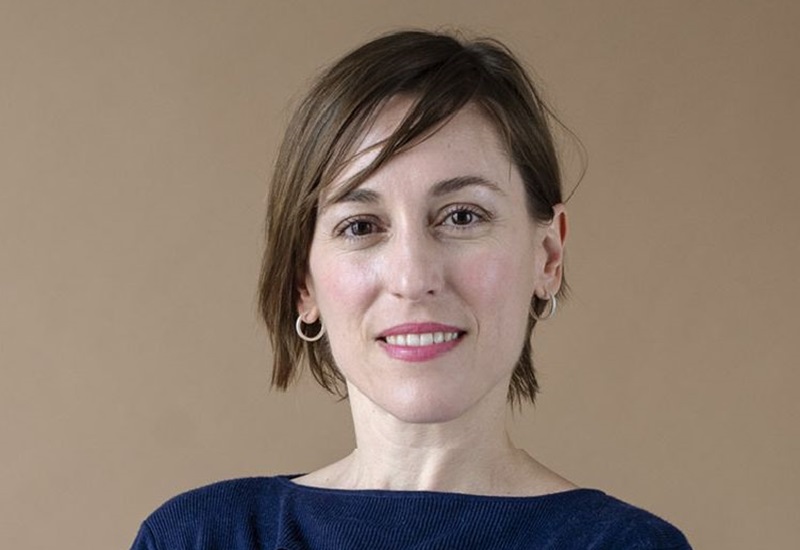
Did you know that urban construction is responsible for approximately 60% of global raw material extraction and consumes 12% of total water in developed areas?
This highlights that sustainable construction is more crucial than ever. As UAE’s population soars to 11.1 million in 2024, sustainable solutions are becoming increasingly essential to mitigate environmental impact and meet rising energy demands.
The UAE’s Green Agenda 2030 is a comprehensive, long-term strategy to drive sustainable development and transition to an environmentally friendly economy.
To advance eco-friendly construction practices, the UAE has introduced the initiative called the National Green Certificates Program, introducing rigorous building standards focused on energy efficiency, water conservation, indoor air quality, and the use of sustainable materials, setting a strong foundation for a greener, more resilient urban environment.
These efforts aim to balance the needs of current and future generations by promoting an eco-conscious lifestyle while minimizing environmental harm.
Sustainable construction, for instance, is increasingly supported by sectors like the Spanish ceramic tile industry, which actively contributes to this movement through practices that extend beyond carbon reduction to include water conversation, resource efficiency, and waste reduction.
Green Innovations in Spanish Ceramic Tiles
In alignment with UAE’s Net Zero 2050 Strategy, the Spanish ceramic industry is committed to reaching net-zero greenhouse gas emissions by 2050 through a variety of innovative solutions and practices. These include carbon footprint reduction, recycling and more.
Here is how this industry is redefining green building materials:
- Carbon Footprint Reduction: Through continuous technological advancements, the Spanish ceramic tile industry has reduced CO₂ emissions by 60% per ton since 1980. High-efficiency ovens, cogeneration systems, and optimized waste heat recovery ensure energy efficiency, while natural gas, the cleanest available fuel, is used in production.
- Production Waste Recycling: With a near-complete reuse of clay waste before firing and a strong focus on recycling fired pottery, the industry minimizes the need for new raw materials, helping to close the production loop.
- Water Management Excellence: Employing innovative techniques, the ceramic tiles industry in Spain has reduced water consumption to less than 20% of its total process needs. Atomizers evaporate up to 80% of used water, creating a closed-loop system with zero wastewater discharge. Advanced filtration systems further enhance recycling efficiency.
- Long-Lasting Durability: Known for their longevity, ceramic tiles stand up to harsh conditions and remain functional for decades, making them a sustainable choice for both residential and commercial applications.
A Blueprint for Sustainable Living
As the UAE strengthens its commitment to green building standards, the demand for sustainable materials like ceramic tiles is on the rise. Al Qana in Abu Dhabi, a landmark project exemplifies this trend by integrating Tile of Spain’s ceramic tiles in both its aesthetic and functional design.
Crafted to withstand high foot traffic while retaining elegance, the project uses the steel shade from Tile of Spain's Bottega collection for exterior spaces and the Ceppo series in white for interior wall cladding and flooring.
Combining environmental benefits with exceptional durability, ceramic tiles are a natural fit for the UAE’s vision for sustainable urban development. With their eco-conscious profile and long life span, ceramic tiles offer an integrated approach to green construction, enhancing the appeal of sustainable building options in the region without compromising on the aesthetics.
Looking ahead, the innovations from the Spanish ceramic tile industry showcase how targeted advancements can lead to meaningful environmental benefits. As urbanization continues globally, ceramic tiles will remain at the forefront of green building materials, proving that sustainability and modern construction can go hand in hand.
The author, Clara Vicedo, is Architect at ASCER – Tile of Spain.
Spain tiles UAE Green Agenda eco-conscious construction materials ceramic tile





.JPG "Emirati Developer GAF Property Shapes a New Residential Experience with Flow 25 in Abu Dhabi")


.jpg "Operational Excellence: New Driver of Real Estate Asset Value")
.jpg "Armstrong Fluid Technology Appoints Erwan Elias as Regional Sales Manager for the UAE")