Search
Across the Gulf, national climate commitments are translating into concrete expectations for the built environment. Governments have established ambitious climate targets. The UAE’s Net Zero 2050 Strategic Initiative targets a 40% emissions reduction by 2030 and mobilises more than $160 billion in renewable investment across key sectors, including construction. The Kingdom of Saudi Arabia has committed to net zero emissions by 2060, while Bahrain is advancing efficiency through its National Energy Efficiency Action Plan.
The region is also experiencing one of the fastest periods of urban expansion in its history.
Major developments such as NEOM in KSA and Masdar City in the UAE illustrate how sustainability is becoming embedded within large-scale planning. Construction already accounts for nearly 40% of global energy-related carbon emissions, making the industry central to national decarbonisation pathways. The MEA region is one of the strongest-performing regions globally for sustainable buildings, with demand growth outpacing other markets.
In 2026, delivery certainty, authority compliance, and measurable building performance are replacing high-level sustainability pledges as indicators of credible net-zero progress. Achieving these outcomes requires a practical approach that integrates engineering disciplines from the earliest stages of design.
Integrated engineering as the delivery engine
Net-zero buildings result from the coordination of architecture, façade engineering, structural design, mechanical systems, and operational performance throughout the project lifecycle.
Integrated engineering, therefore, becomes the delivery engine for sustainable buildings. When architecture, façade, structure, and MEP strategies align from the concept stage, teams can evaluate performance trade-offs early rather than redesign systems later. This alignment reduces approval cycles with authorities, improves constructability, and keeps sustainability targets achievable as the design evolves.
Building Information Modelling (BIM) allows multidisciplinary teams to coordinate performance targets while the design remains flexible, reducing late changes that often increase energy demand.
A digital twin extends this model into operation by linking it to real-time data from meters and building management systems, enabling continuous monitoring and performance tuning so buildings operate as intended rather than only performing well on paper.
Façade optimisation in a cooling-driven climate
One of the most effective interventions for net-zero performance in the Gulf lies in the building envelope. Cooling already accounts for nearly half of peak electricity demand in the region and roughly one quarter of annual electricity consumption.
As cities expand, cooling demand will remain the largest driver of electricity growth across the Middle East.
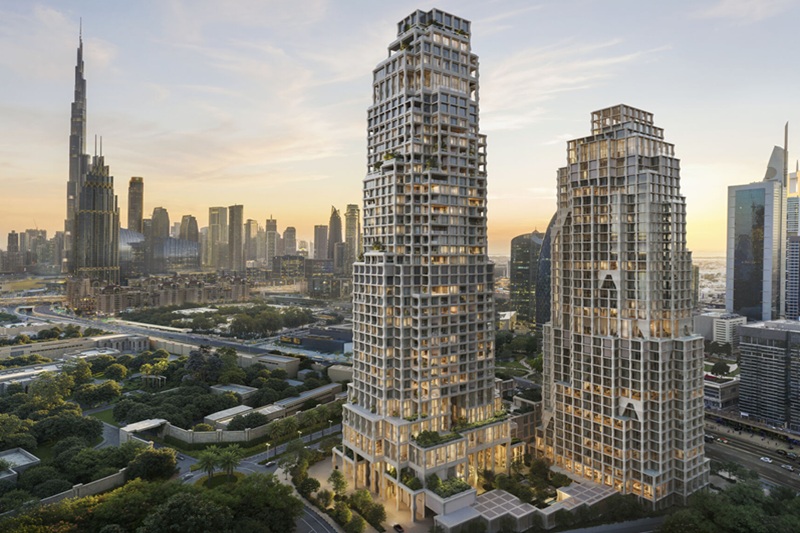
Façade optimisation is therefore one of the fastest levers for reducing energy consumption. Well-designed façades control solar gain and glare, improve airtightness, and minimise thermal bridging, reducing cooling loads before mechanical systems are considered.
In the Gulf, façades must withstand high solar exposure, dust, humidity, and saline conditions. Long-term performance depends on materials, detailing, and maintenance strategies that ensure façades continue to perform efficiently over decades of operation.
Addressing these factors early makes façade engineering a powerful tool for both energy efficiency and occupant comfort.
Value engineering and sustainable MEP in 2026
Historically associated with cost reduction during later design stages, it is now shifting toward performance-led value engineering that protects building quality while improving constructability and procurement certainty.
Within mechanical and electrical systems, the most effective strategy follows a clear hierarchy. The first step is reducing loads through façade optimisation, orientation, shading strategies, and passive design. The second step is right-sizing mechanical systems to match those reduced loads. The final step focuses on efficiency through controls, commissioning, and operational monitoring.
This approach prevents oversized systems from compensating for inefficient building envelopes and ensures mechanical infrastructure supports an already efficient building design.
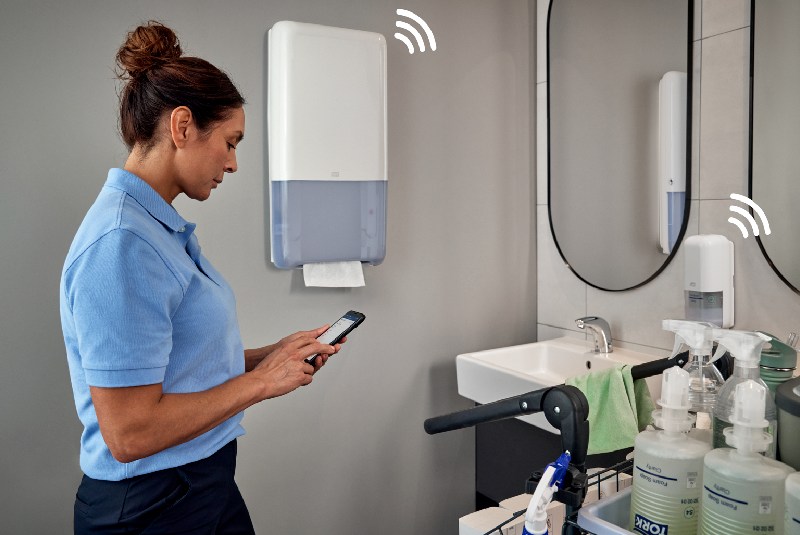
Commissioning, metering, and building management systems are essential for closing the gap between design intent and real-world performance. When integrated early, sustainable MEP strategies remain technically effective and economically viable across the building lifecycle.
Compliance as part of the design solution
Regulatory frameworks across the GCC are becoming increasingly sophisticated.
In the UAE, standards such as Abu Dhabi’s Estidama Pearl Rating System and Dubai’s Al Sa’fat framework have guided tens of thousands of buildings toward improved energy and water performance. Certified sustainable properties consistently outperform non-certified counterparts, with green buildings typically achieving stronger rental performance and higher resale values.
For project teams, authority compliance must be integrated into design thinking from the beginning rather than treated as a final approval step.
Early coordination between façade design, fire safety requirements, structural systems, and mechanical infrastructure prevents costly redesign and delays during authority review. This strengthens project quality, reduces risk for developers and investors, and ensures buildings meet national sustainability requirements while remaining practical to construct and operate.
A 2026 net zero delivery playbook
The shift from sustainability ambition to execution requires a disciplined delivery approach.
- Define clear performance targets at the beginning of the project, ensuring that sustainability goals are measurable and aligned with national frameworks.
- Coordinate architecture, façade, structural, and MEP strategies during the concept stage, so energy performance is embedded in the design rather than retrofitted later.
- Prioritise envelope optimisation to reduce cooling demand, recognising that façades play a decisive role in energy performance in hot climates.
- Apply sustainable MEP strategies by reducing loads, right-sizing systems, and optimising efficiency through controls, commissioning, and operational monitoring.
- Integrate authority compliance and digital tools such as BIM to maintain performance targets throughout design, construction, and operation.
Successful net-zero delivery ultimately depends on disciplined engineering and coordinated execution across the life of the project. Projects that perform best are those where performance targets are defined early, engineering disciplines operate as one system, and compliance is resolved through design rather than addressed later.
The author, Arch. Mohamed Salah Seguen, is CEO at Access Consult - a member of Excellence Consortium.
Access Consult MEP façade engineering