Search
.jpg "Is your business ready for a safe return to the office?")
Just a few months ago, the closure of borders, grounding of airline fleets and shutdown of offices on a global scale, would have simply been unimaginable. Now, after weeks of lockdown and mass remote working, organisations around the world have started the planning and preparation for a safe return to a new normal, post COVID-19.
The safe re-opening of offices should be part of a holistic planning programme that ideally started with the professional preparation of the temporary shutdown or reduced service, which combined with the levels of interim maintenance during the closure, will influence the protocols and processes needed for a safe and smooth recommissioning.
There are several considerations, including critical health and safety checks, that need to be considered based on the standards of maintenance during the shutdown of a building or office space, and these can be divided into two categories: MEP and people-based processes.

From an MEP perspective, protocols should be developed as part of a checklist for a structured re-opening, such as:
1. Potable water systems – During the closure, a building’s water flow slows or stops with the danger of becoming stagnant. Flushing, as well as baseline tests for water quality, need to be conducted to check for bacterial agents such as legionella.
2. Building services- To ensure a safe return, building services such as fire suppression and life safety systems should undergo all relevant operability and safety checks prior to re-opening of the facilities.
3. Airconditioning and fresh air units - Air-conditioning unit coils & drip trays may need to be sanitised and serviced, and humidity levels checked and controlled, before re-opening.
4. Business-critical equipment - Not all systems and equipment are designed to be completely shut down for extended periods of time. It is important to do a risk assessment of all MEP systems with an emphasis on single points of failure and business-critical equipment of your MEP plant & equipment prior to re-opening.

While working on COVID-19 building occupational health & safety, building managers need to develop a plan for safe operations, including adherence to changing regulations for optimum occupancy and social distancing. Critical considerations include:
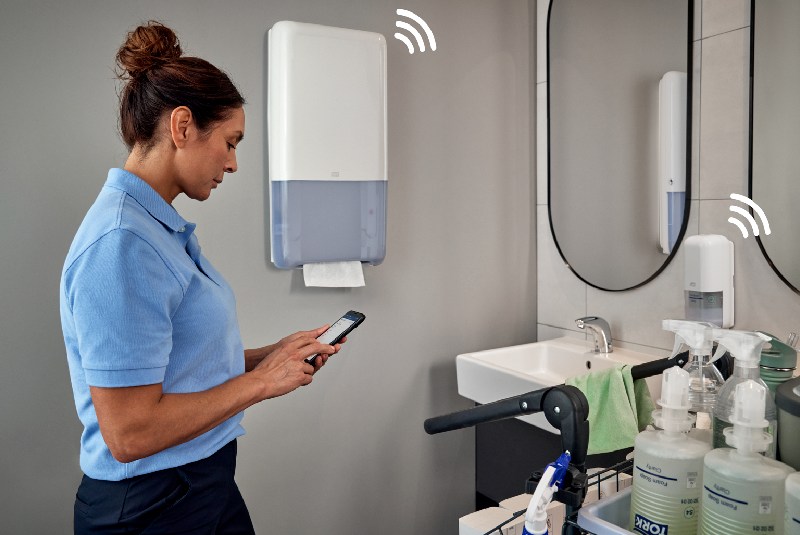
1. Facility fixtures & furnishings – During a temporary closure, it is advised that facilities undergo regular cleaning with a strategic sterilisation of the premises before re-opening. Within individual offices, we also recommend the sterilisation of shared equipment and contact surfaces such as printing machines, door hardware, telephones and (light)switches.
2. Operational workflows – Should be analysed and modified for effective contamination control by avoiding cross flows and cross-contamination, including movement protocols for occupants, deliveries, visitors, and goods in/out.
3. Health & safety – Following an assessment of potential contamination risks, PPE requirements for all building users needs to be reviewed. It is also important to identify any potential bottlenecks that could occur due to the new protocols that could cause crowding and increased contamination risks.
4. Responsibility matrix – It is critical to (re)define building management roles and responsibilities based on new operational regulations and workflows. We recommend to re-assess HSE functions to include COVID-19 responsibilities.
5. Space allocation - Office space will need to be reassigned based on permissible occupancy levels. Rota systems should be designed, coordinated and communicated to all stakeholders to ensure compliance to authority guidelines.
6. Crisis Management – The current situation has demonstrated inadequacies to crisis preparedness for a health crisis and the re-opening of premises is an opportunity to evaluate protocols and to update crisis management processes.
Ensuring the safe re-opening of offices is a responsibility everyone will need to bear, from building management and facility managers to office tenants and visitors. Holistic planning, stakeholder collaboration and effective monitoring & communication will help limit the risks to everyone involved.