Search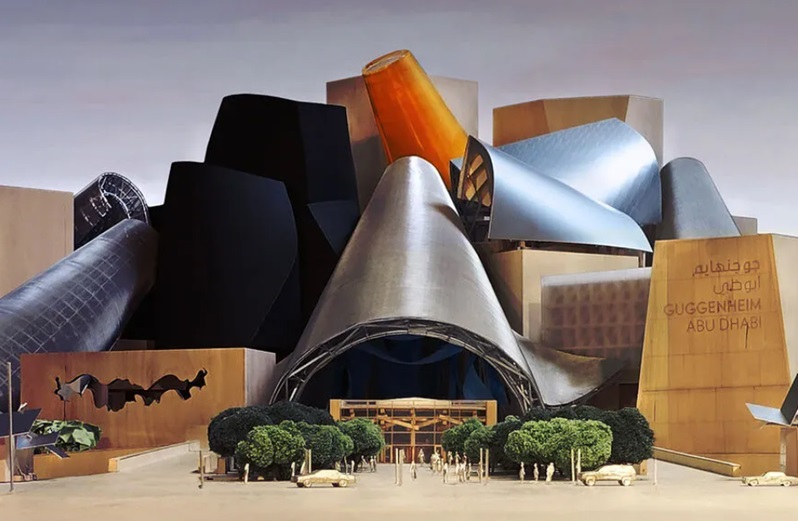
As the UAE pushes to expand its cultural-and-heritage portfolio, several major museum projects scheduled for completion (or reopening) between late 2025 and beyond are set to challenge and elevate the facilities-management (FM), asset-management and sustainability practices across the region.
For operators, these developments offer opportunities to engage with next-generation standards of building performance, user experience and operational resilience.
1. Natural History Museum Abu Dhabi – Saadiyat Island, Abu Dhabi
Set to open at 35,000 m², this will be the largest natural-history museum of its kind in the region.
Operational considerations for FM:
-
The scale and nature of the collection (13.8 billion-year journey from universe to Earth) mean intensive climate-control, humidity-monitoring and precision-maintained galleries.
-
Sustainability is embedded into design: the architecture resonates with natural rock-formations and includes water and vegetation features as symbolic and functional elements.
-
FM teams will need to support research-facility functions (marine biology, molecular-research labs) as well as public visitor zones — a dual requirement in the building’s lifecycle.
-
From an asset-management perspective, operators should be planning for long-term maintenance of high-performance systems (MEP, exhibition fit-out, smart building systems) rather than just hand-over.
2. Zayed National Museum – Saadiyat Cultural District, Abu Dhabi
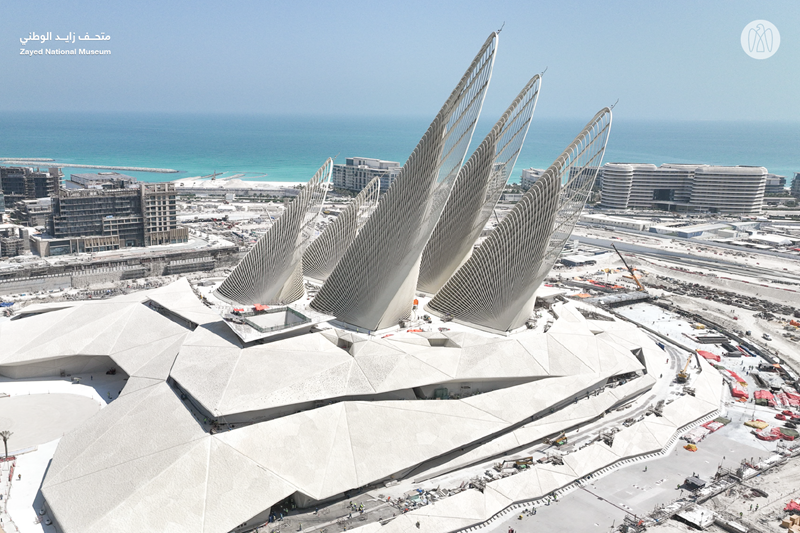
Positioned as the national museum of the UAE, it celebrates the legacy of Sheikh Zayed bin Sultan Al Nahyan and traces the nation’s journey from ancient civilisation to modernity.
Key FM & sustainability themes:
-
The building’s form (designed by Foster + Partners) features five steel towers inspired by a falcon’s wings and uses passive-ventilation strategies (solar-thermal chimneys) to reduce mechanical cooling loads.
-
The museum integrates native landscaping, a working falaj-irrigation system, and outdoor-gallery elements (Al Masar Garden) that demand integrated FM across building and landscape.
-
For operators, the challenge will be to maintain a high-profile cultural icon where architectural form, sustainability systems, visitor flows and heritage preservation intersect — a higher complexity than typical commercial properties.
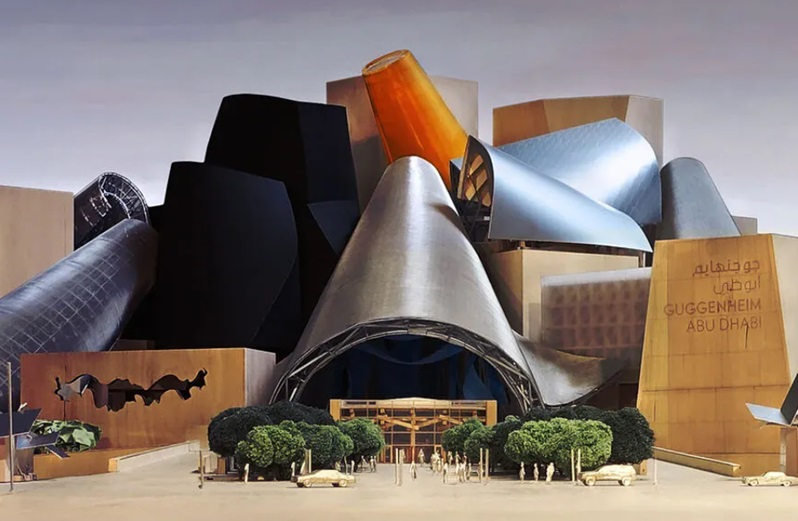
3. Guggenheim Abu Dhabi – Saadiyat Island, Abu Dhabi
The prestigious Solomon R. Guggenheim Foundation-backed museum, designed by world-renowned architect Frank Gehry, remains under construction.
Lessons for FM/asset management:
-
Although FM specifics are not yet public, given the ambition and profile, the eventual operations will almost certainly require advanced digital building-management systems, comprehensive lifecycle-asset strategies and sustainability certification.
-
Operators managing such landmark buildings must plan early for benchmarking, managing complex geometries (asymmetrical cones), energy-performance monitoring, and high-visibility quality standards.
4. Dubai Museum of Art (DUMA) – Dubai Creek, Dubai
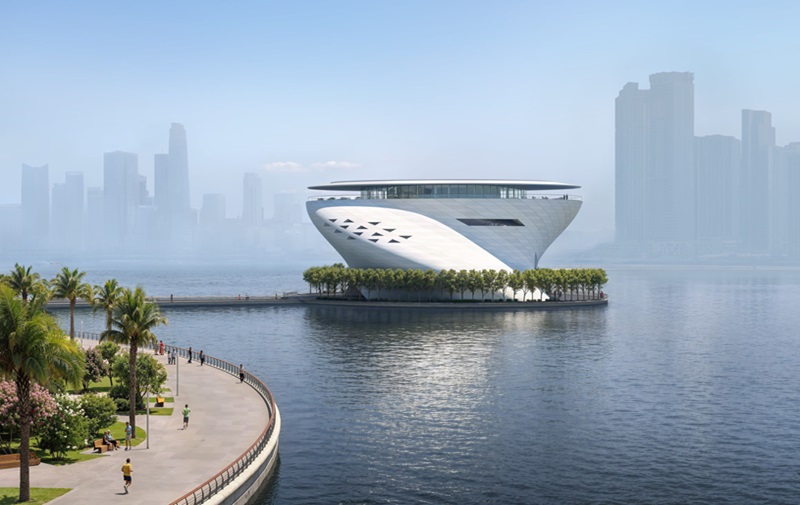
Developed by Al Futtaim Group and designed by Pritzker-Prize laureate Tadao Ando, this museum will combine Emirati heritage with minimalist modern architecture. Inspired by the sea and the pearl—symbols of Dubai’s heritage and spirit—the museum’s curved shell encloses a circular exhibition hall that represents unity, discovery, and continuity. A central cylindrical opening allows natural light to cascade through the structure, evoking the gentle shimmer of a pearl, as per Dubai Media Office.
Operational take-aways:
-
The waterfront location and architect-driven design suggest FM will need to respond to special conditions (water-front microclimate, salt-air environments, visitor-experience enhancements).
-
The building’s emphasis on public-interaction spaces (artist talks, exhibitions, panel discussions) means FM teams must support flexible usage, event transitions and high standards of responsiveness.
5. Al Ain Museum – Abu Dhabi
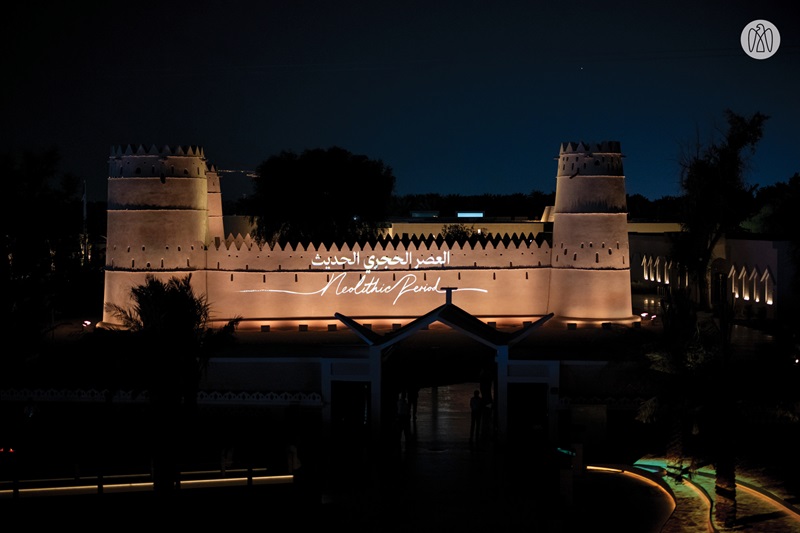
The UAE’s first museum, originally founded in 1969 and now redeveloped (by Dabbagh Architects) to over 8,000 m², retains the original museum structure within its new footprint.
Operational significance:
-
For operators, heritage-site management brings dual challenges: maintaining original fabric, integrating new systems and balancing visitor shares with preservation.
-
Sustainability considerations include integrating modern HVAC/lighting in older structures, ensuring environmental control for heritage artifacts, and asset-management of both old-and-new building portions.
Strategic Implications for Built Environment Operators
For facilities and asset-management professionals, the UAE’s next generation of cultural landmarks represents a turning point in how public buildings are designed, operated, and sustained. These institutions — each a fusion of architectural ambition, heritage preservation, and environmental innovation — are redefining what operational excellence looks like in the built environment.
At the heart of this shift lies the move from reactive maintenance to lifecycle-based asset management.
Museums such as the Zayed National Museum and Natural History Museum Abu Dhabi are being engineered not just for visual grandeur but for operational longevity, demanding FM teams that think in decades, not maintenance cycles. Their hybrid nature — combining public exhibition spaces with back-of-house research labs, archives, and conservation facilities — means operators will need to integrate energy systems, visitor management, and environmental controls seamlessly under a unified digital framework.
Sustainability, once a compliance measure, now forms a central pillar of the design brief and, by extension, FM responsibility. Passive-cooling strategies, smart irrigation, and native landscaping systems are shifting the FM focus from upkeep to performance optimisation — measuring carbon intensity, water efficiency, and long-term resource use as core metrics of success. For operators, this means evolving into custodians of environmental performance as much as of physical assets.
At the same time, visitor experience has emerged as a defining measure of operational success. Museums today are immersive, interactive, and flexible — designed for exhibitions one day and live performances the next. Facility operators will therefore need to master agility, ensuring that transitions between events happen flawlessly while maintaining comfort, accessibility, and safety.
Finally, the growing reliance on technology — from building-management systems to digital twins and real-time analytics — will redefine how these cultural icons are run. Data-driven insight will underpin every aspect of the facility lifecycle, helping operators predict failures, manage energy loads, and elevate service standards.
In essence, the implication of these landmark projects is a new operational era where facilities management is not a backstage function, but an integral part of the storytelling, sustainability, and longevity of the built environment itself.
Zayed National Museum Natural History Museum Abu Dhabi Dubai Museum of Art (DUMA) Guggenheim Abu Dhabi