Search
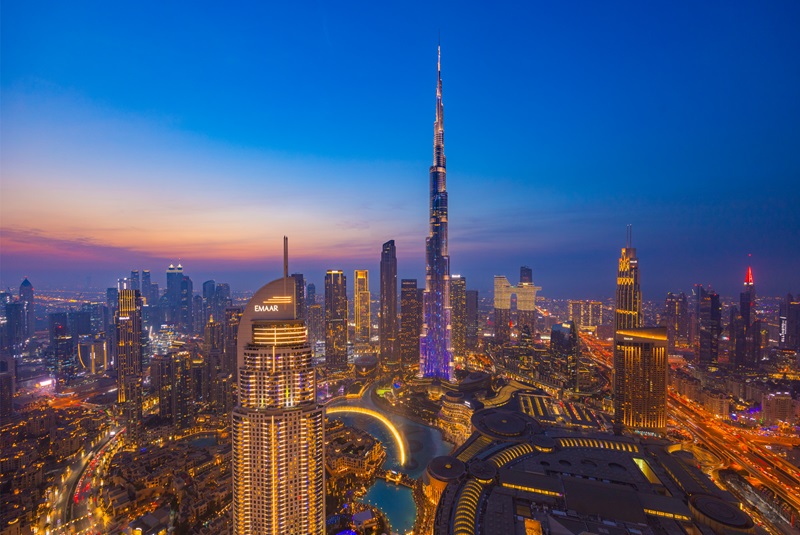
On Wednesday, Emaar Properties, the developer behind the Burj Khalifa, said it plans to make an offer for the shares it does not already own in Emaar Development, its build-to-sell development business. Emaar already holds just over 79% of the company, so the offer covers the remaining 21% or so. If every remaining shareholder accepts, the deal could be worth up to $3.43 billion (about AED 12.6 billion).
What are the terms?
- Structure: A voluntary cash offer.
- Price: AED 15 per share, about 8% above Tuesday’s closing price of AED 13.90.
- Implied valuation: About AED 60 billion ($16.34 billion) for the whole of Emaar Development, according to LSEG data.
How did the market react?
Emaar Development shares rose 5.3% to AED 14.64 early on Wednesday, close to the offer price. Before the announcement the stock had fallen more than 8% this year. It is still well below its all-time high of AED 20, reached in February before the regional war began.
Will Emaar Development be delisted?
Emaar has not said. The company is listed on the Dubai Financial Market, and the filing does not say whether it will stay listed after the offer.
What could be driving the decision?
Emaar has not given its full reasons. The following factors are the most likely ones:
- Buying while the price is low. At AED 15, Emaar would pay about 25% less per share than the February peak. The war has pushed the share price down, which makes it cheaper to buy out the minority shareholders now.
- Keeping more of the cash. Jefferies analysts say the deal would increase Emaar’s exposure to a premium, cash-rich asset that still yields more than 9%. Owning 100% means all of Emaar Development’s profits and dividends stay in the group, instead of about a fifth going to outside shareholders.
- A new largest shareholder. Earlier this year, Investment Corporation of Dubai (ICD), the emirate’s wealth fund, moved its whole Emaar stake to a subsidiary of Dubai Holding. Dubai Holding is an investment group owned by the Ruler of Dubai, and it is now Emaar’s largest shareholder with about 30%. Buyouts like this often follow a change in ownership, as the group’s structure is simplified.
- A simpler group. With one listed parent and one listed subsidiary, Emaar has to run two sets of shareholder reporting and governance. Full ownership removes that and gives Emaar more freedom over how it uses Emaar Development’s land bank and cash.
- A show of confidence. Spending billions on a Dubai development business during regional conflict tells the market that its biggest developer expects long-term demand to hold up.
How is the war affecting Dubai real estate?
Business in Dubai has largely resumed after the disruption. Some sectors, especially hospitality, may take longer to recover. In September, Emaar founder and chair Mohamed Alabbar said he expected Dubai property prices to fall by about 5% on average this year because of the conflict. He also said sales were below pre-war levels but that the market had held up. Supply is still growing: according to the Dubai Land Department, the number of completed projects rose 39% in the first half of 2026.
What does this mean for the UAE real estate sector?
- A signal from the market leader. When the biggest developer puts money into the sector during a downturn, it suggests insiders think prices are low rather than at the start of a long decline. That can affect how investors and buyers see the market.
- Consolidation. The deal fits a pattern of government-linked groups tightening control of major assets after Dubai Holding’s increased stake. More restructuring is possible as large players reposition.
- Fewer listed options for investors. If Emaar Development is delisted, the Dubai Financial Market loses one of its largest listed pure-play residential developers. Investors who want direct exposure would have fewer listed options.
- A recovery that differs by sector. Residential development looks steadier than hospitality, which is still recovering. Emaar is putting its money into its development business, the side that is holding up better.






.png "be-latest-banner")
.jpg "Weave Advances Onsite as Al Ghurair Confirms Julfar Contracting as Main Contractor")