Search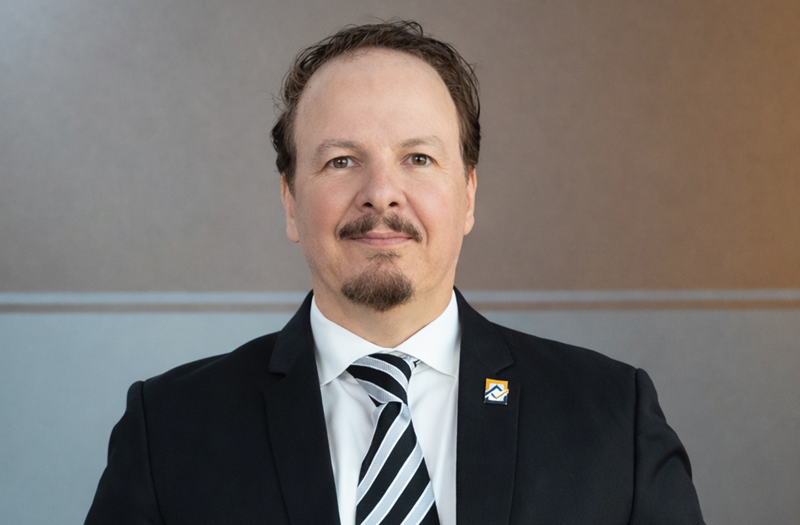
Across the GCC and particularly in the Kingdom of Saudi Arabia (KSA), the construction and real estate sectors are evolving at an unprecedented pace. Driven by Vision 2030, Saudi Arabia is investing heavily in giga-projects, smart cities, and sustainable infrastructure designed to deliver long-term economic value, environmental performance, and improved quality of life.
Yet despite this progressive agenda, a critical disconnect continues to undermine long-term building performance: the limited involvement of Facility Management (FM) during the design stage.
For decades, FM has been treated as a post-handover function, responsible for operating assets that were already designed and constructed. This approach is no longer fit for purpose. In an era defined by lifecycle value, ESG accountability, and operational efficiency, buildings must be designed not only to be delivered efficiently, but to perform effectively throughout their entire life.
Early Design Decisions Shape Long-Term Performance
Research consistently shows that the majority of a building’s lifecycle cost and performance is determined during early design. Choices related to plant selection, spatial planning, service routing, access for maintenance, and materials directly affect energy consumption, operating costs, and user experience for decades.
Studies indicate that excluding FM input at this stage can increase operational costs by 15–25% over an asset’s lifespan, while also compromising sustainability outcomes.
In Saudi Arabia, these impacts are magnified. High cooling demand, large-scale developments, and operationally complex assets place sustained pressure on building systems. At the same time, national commitments around ESG performance, energy efficiency, and net-zero ambitions are raising expectations for how buildings operate in reality, not just how they appear at handover.
Despite this, facility operators and end users remain involved in only a small proportion of regional projects during design, compared to over 70% involvement in more mature international markets. This reflects siloed project structures, capital-cost-driven procurement, and limited lifecycle thinking.
From Operational Afterthought to Strategic Partner
Facility Management brings a fundamentally different perspective to the design process. FM professionals understand how buildings behave in use how systems age, how users interact with spaces, and how maintenance strategies influence cost, resilience, and carbon performance.
When involved early, FM helps deliver assets that are:
- Easier and safer to operate and maintain
- More energy-efficient and ESG aligned
- Adaptable to future regulatory and user requirements
- Better positioned for long-term value
In the Saudi context, early FM involvement directly supports Vision 2030’s core pillars, including sustainability, operational excellence, and efficient private-sector participation.
This integration also enhances the value of digital tools such as Building Information Modelling (BIM). When FM data and operational requirements are embedded from the outset, BIM becomes a true lifecycle platform rather than a design-only deliverable. However, technology alone is insufficient without clear governance and formal recognition of FM’s role in project decision-making.
Muheel FM: Embedding Lifecycle Thinking
Responding to this industry challenge, Muheel FM has established a dedicated Facility Management Consultancy function designed to support projects across the entire asset lifecycle from design and construction through operation, optimisation, and eventual decommissioning.
By integrating FM consultancy expertise early, Muheel FM supports developers, designers, and contractors in balancing capital expenditure with long-term operational value. This lifecycle-driven approach improves energy performance, reduces operational risk, and ensures assets remain sustainable, cost-effective, and user-centric throughout their life.
It also supports smoother transitions between project phases, reducing rework and inefficiency outcomes increasingly demanded by Vision 2030 driven developments.
A Necessary Shift
As Saudi Arabia positions itself as a global leader in sustainable and intelligent built environments, integrating Facility Management at the design stage must become standard practice rather than the exception.
The success of future buildings will not be measured by their appearance at handover, but by how well they perform over time. Involving FM from day one is no longer optional; it is essential for delivering resilient, efficient, and future-ready assets aligned with Vision 2030 and national ESG ambitions.
The author, Nabil El Kabache is General Manager – FM Excellence and Technology at Muheel Facilities Management.
Muheel Facilities Management IFM Building Information Modelling (BIM)