Search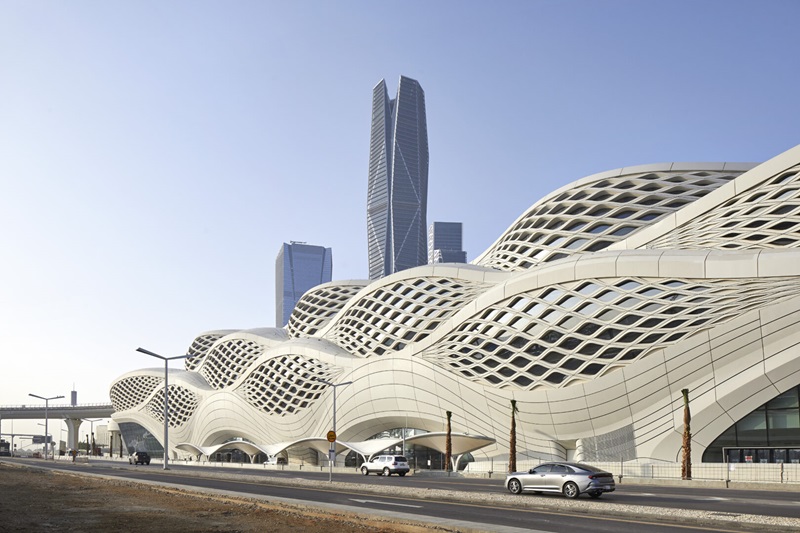
The long-awaited Riyadh Metro has officially opened, marking a transformative milestone in the urban development of Saudi Arabia’s capital. As one of the most ambitious urban transit projects in the region, the Riyadh Metro is not just a transportation network but a catalyst for reshaping the city’s built environment and fostering sustainable growth.
A Landmark in Urban Planning
The Riyadh Metro spans six lines and covers 176 kilometres, making it one of the largest metro projects in the world. It boasts 85 stations, each meticulously designed to reflect a fusion of modern architecture and cultural heritage. The network provides an efficient, eco-friendly mode of transportation to a city historically dominated by car dependency. This shift is expected to alleviate traffic congestion, reduce air pollution, and enhance connectivity across Riyadh's sprawling urban landscape.
The metro is a cornerstone of Riyadh’s wider urban revitalisation strategy, which aligns with Saudi Arabia's Vision 2030—a plan to diversify the kingdom’s economy and promote sustainable development. By integrating the metro system with urban redevelopment projects, Riyadh is positioning itself as a global city with a forward-thinking approach to mobility and urban planning.
Architectural and Engineering Excellence
The Riyadh Metro stations are architectural marvels, designed by globally renowned firms such as Zaha Hadid Architects and Snøhetta. Each station is a showcase of innovative design, with features such as energy-efficient lighting, sustainable building materials, and integrated public spaces.
For example, the King Abdullah Financial District station, a standout landmark, is a futuristic structure with sweeping, dynamic forms. It not only serves as a transit hub but also doubles as a public gathering space, complete with retail outlets and green spaces. Similarly, the Olaya Metro Station incorporates natural light and ventilation, embodying principles of sustainable design in a desert climate.
Impact on the Built Environment
The Riyadh Metro is set to redefine how the city is built and experienced. One significant impact is transit-oriented development (TOD), where mixed-use developments are planned around metro stations. This approach encourages higher-density urban planning, reducing urban sprawl and promoting walkable neighbourhoods.
Areas surrounding key stations are already witnessing a surge in property development, with new residential, commercial, and recreational projects emerging. These developments aim to maximise accessibility to the metro, creating vibrant, interconnected communities.
Moreover, the metro has triggered a reevaluation of public spaces in Riyadh. Planners are incorporating pedestrian-friendly designs, cycling paths, and green corridors into urban plans to complement the metro's connectivity. These changes signal a shift toward a more inclusive and sustainable cityscape.
Sustainability and Technological Innovation
The Riyadh Metro exemplifies a commitment to sustainability in the built environment. The electric-powered trains significantly reduce greenhouse gas emissions compared to conventional road transport. Additionally, solar panels installed at some stations and depots contribute to the network’s energy efficiency.
The metro also integrates cutting-edge technologies, such as automated ticketing systems and driverless trains, underscoring Riyadh’s ambitions to be a smart city. Real-time data on passenger flow and traffic patterns will aid urban planners in making informed decisions for future development.
Social and Economic Benefits
The metro’s impact extends beyond the physical environment. By providing an affordable and reliable mode of transportation, it is expected to improve the quality of life for Riyadh’s residents, including low-income workers who previously relied on long commutes by bus or car.
Economically, the metro supports job creation during its construction and operational phases. It is also attracting foreign investment in real estate and infrastructure, boosting Riyadh's global competitiveness.
Challenges and Opportunities
While the Riyadh Metro is a transformative project, it comes with challenges. Integrating the metro into a city built for cars requires significant changes to urban infrastructure and public mindset. Encouraging the use of public transport in a culture accustomed to driving will take time and concerted efforts, including public awareness campaigns and incentives.
Nevertheless, the Riyadh Metro opens a wealth of opportunities for redefining urban living in Saudi Arabia. It sets a precedent for similar projects in other cities across the kingdom, signalling a nationwide shift towards modern, sustainable urban development.
A New Era for Riyadh
The opening of the Riyadh Metro marks the beginning of a new era for the city’s built environment. It reflects a bold vision for the future—one where innovation, sustainability, and connectivity converge to create a thriving, world-class metropolis.
Riyadh Metro Saudi Arabia urban development built environment sustainable transportation transit-oriented development Vision 2030 Riyadh infrastructure metro stations smart city






.jpg "Daikin Unveils Upgraded Experience Center in Dubai to Drive Sustainable Cooling and Infrastructure Innovation")